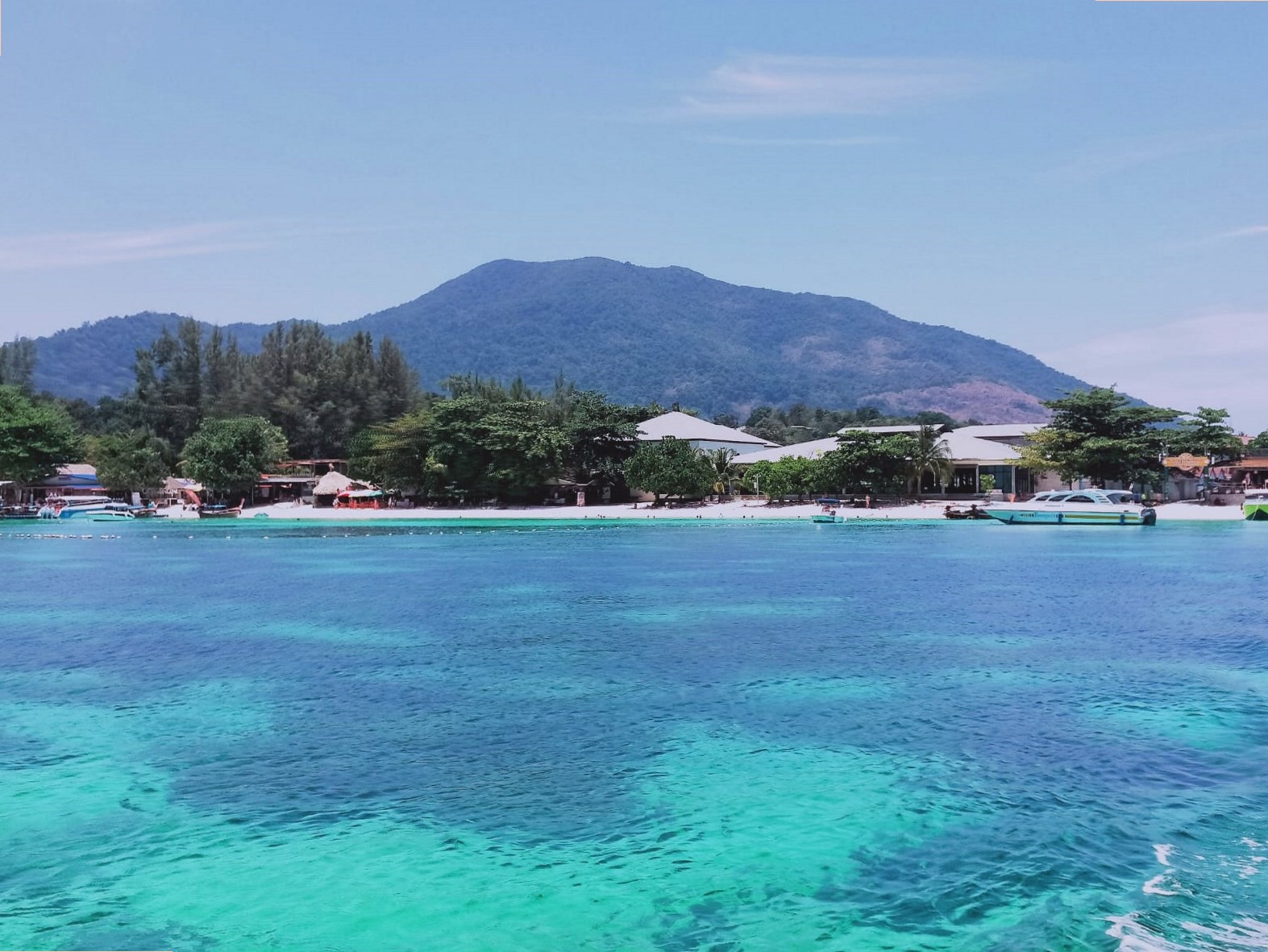
Best Beaches in Thailand

A traveler's guide to Thailand's 20 best beaches — where to go, when to go, and how to get there.

Krabi · Boat access

Railay Beach (Phra Nang Beach)
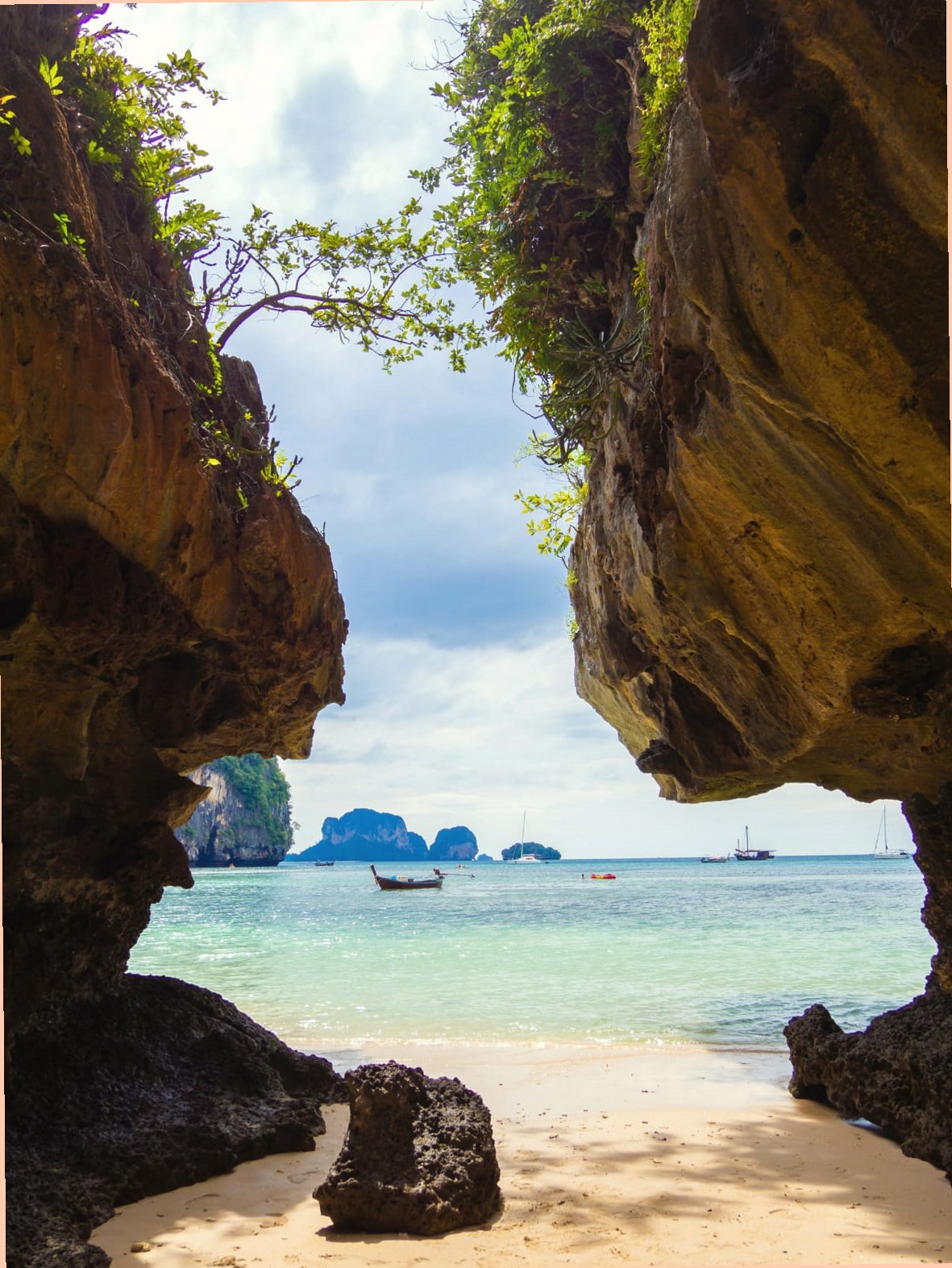
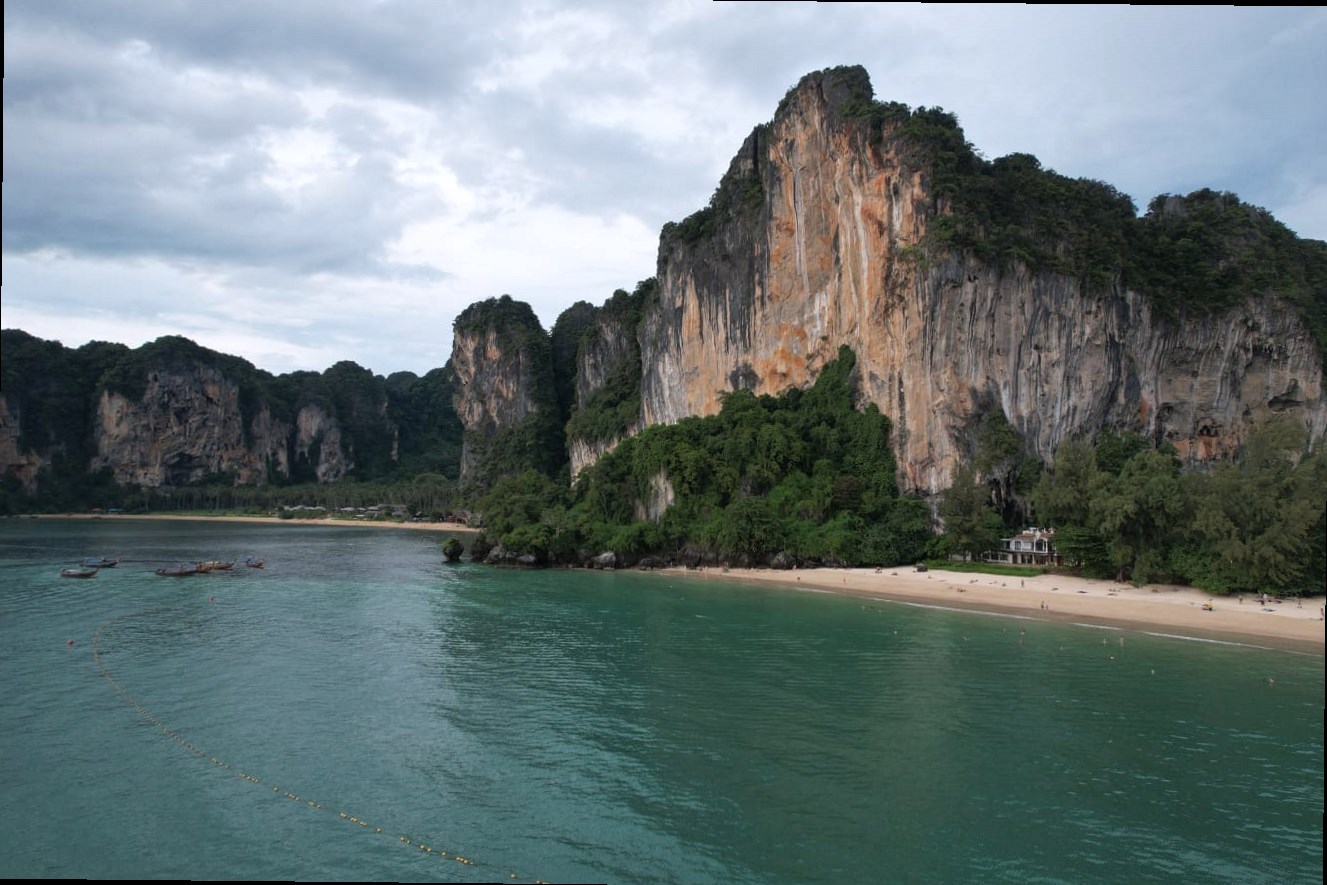
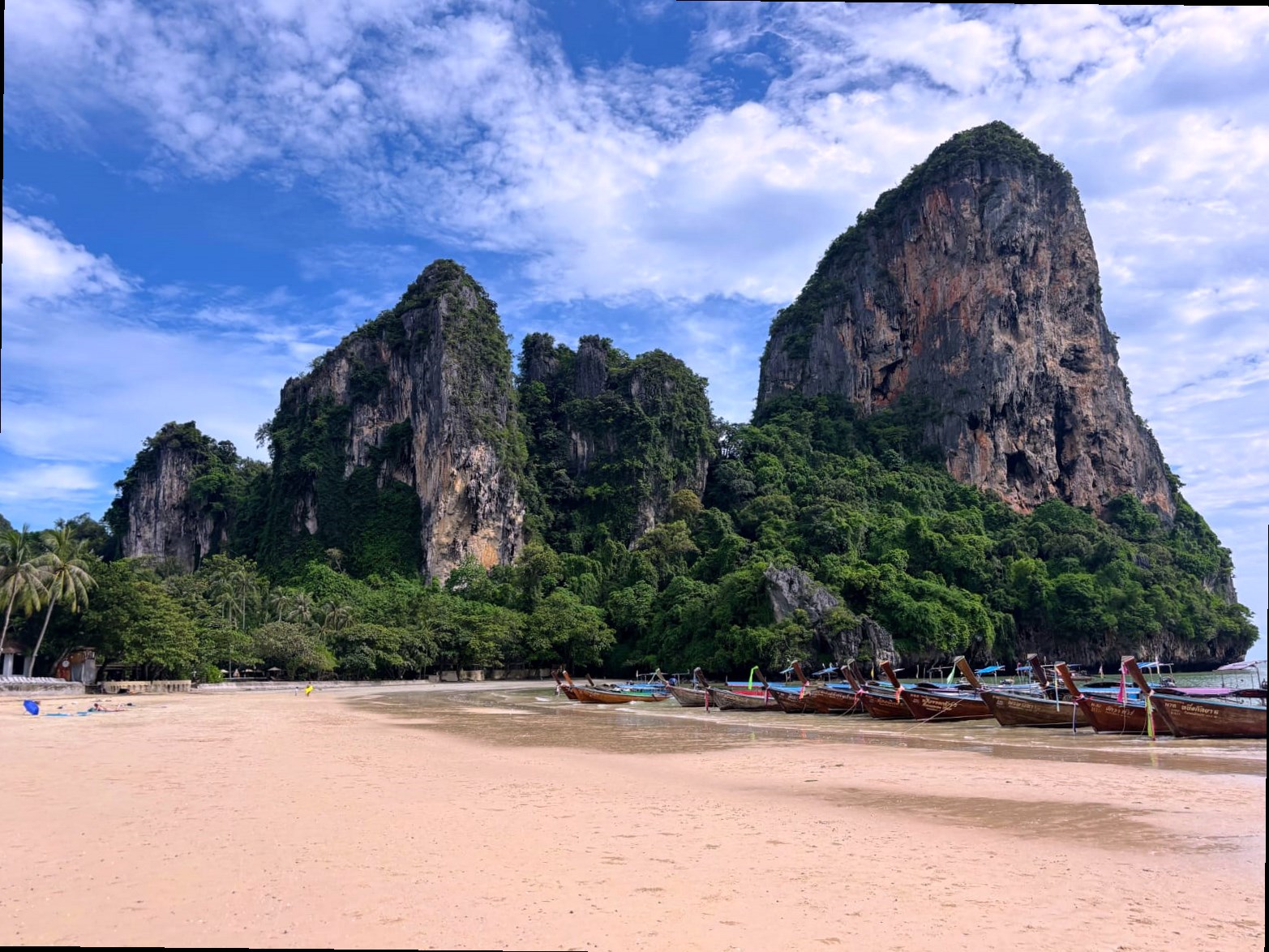
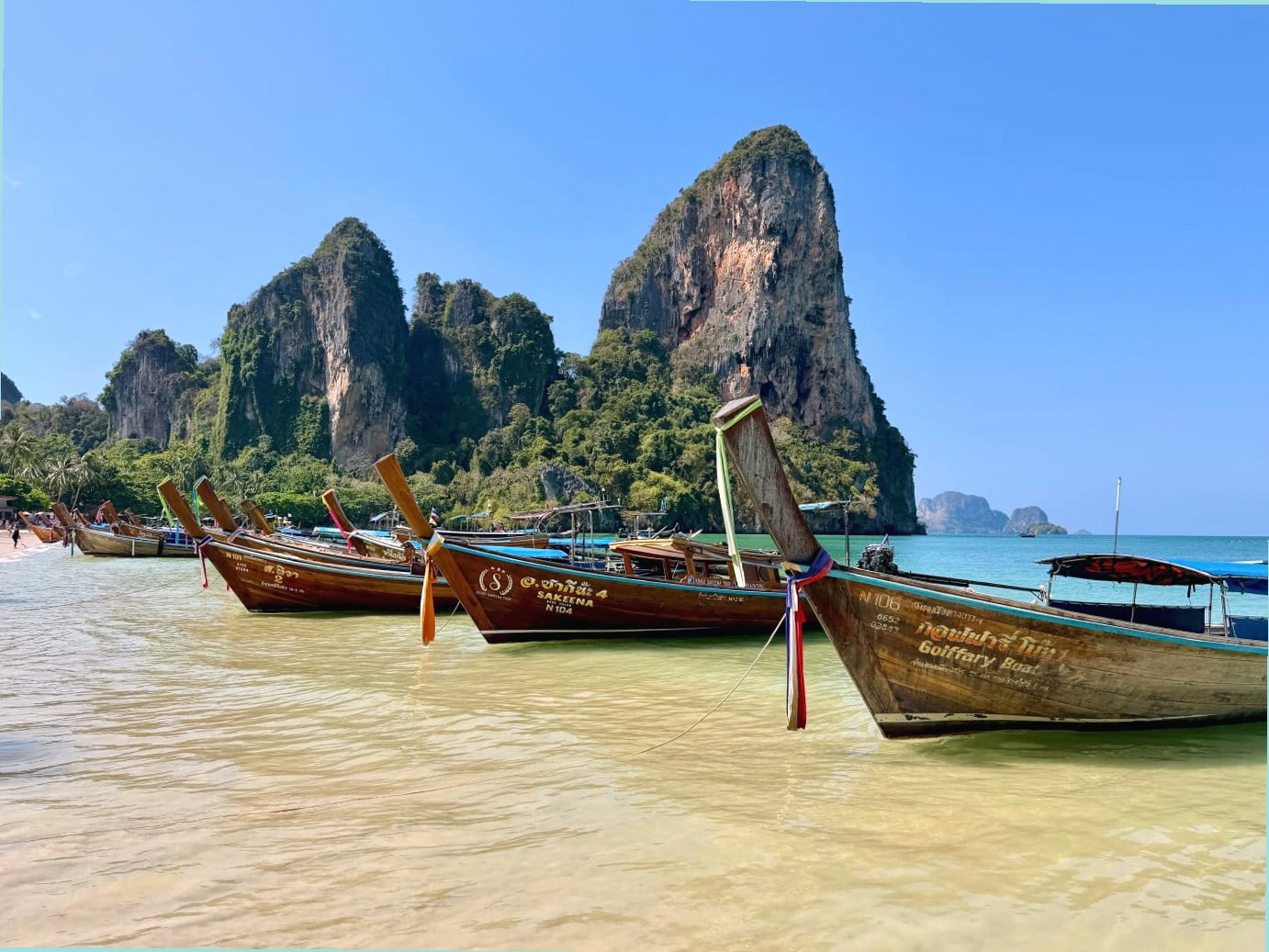
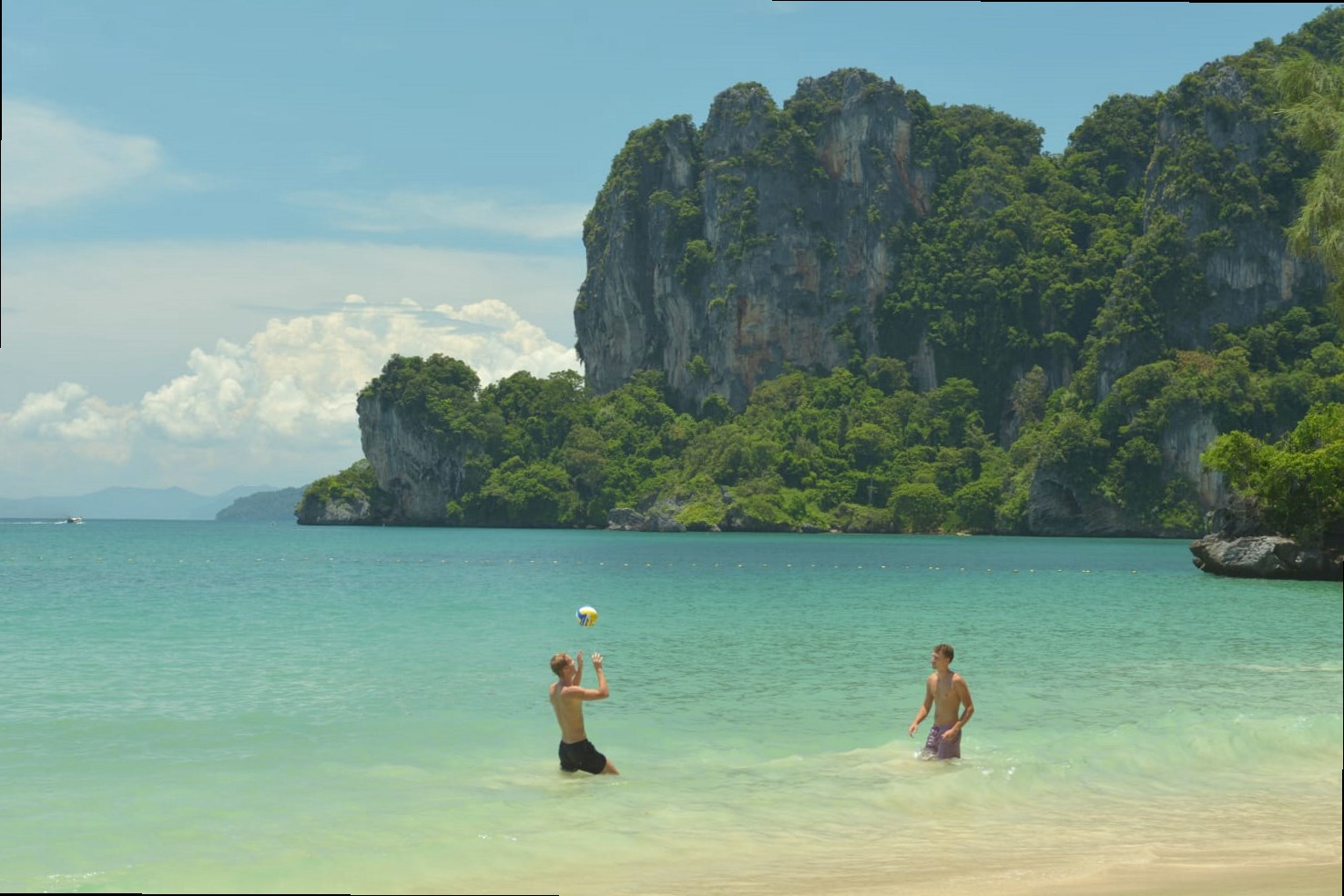
Railay Beach is a bit different than your typical beach. For one, you can't drive there. People arrive there on traditional long-tail boats, which honestly elevates the experience. Makes it feel more special the moment you arrive.

The first thing hitting you is the majestic limestone cliffs. They shoot straight up from the sand, sometimes over 300 feet tall.

Rock climbers travel here from all over the world just for these walls, and Phra Nang Beach even hosts year-round rock climbing events. Even if you're not climbing, watching someone dangle off a cliff face while you sip a coconut is a pretty good afternoon.

Phra Nang Beach sits at the southern tip, and it's the showstopper. Clear water, soft sand, and a cave shrine dedicated to the princess goddess Phra Nang tucked right into the rock.

Local fishermen still leave various offerings there, asking for good luck and safe trips out to sea.

Railay is actually split into four beaches connected by short walking paths. The west side gets the sunsets. East side has the mangroves and is where most of the budget guesthouses sit. Locals will tell you West Railay is for photos; East Railay is for sleeping cheap.

The water here stays warm most of the year. Swimming, kayaking, and snorkeling are all easy without needing a big tour group.

There are also hidden lagoons up in the cliffs if you're willing to do a bit of a scramble to find them.

The best time to visit is November through April. The rest of the year gets rain, though even then it rarely ruins a full day. Ideal time for rock climbing is from October to May. It is possible to climb during monsoon, but the routes and boat transfers may get restricted due to rain.

Railay Beach still feels a little cut off from the world. No cars, no traffic noise, just boats coming and going and cliffs towering over everything.

Climbing Longtail only Nov–Apr
Read the full guide

Koh Phi Phi Leh · Protected

Maya Bay

Maya Bay is probably one of the most popular on this list. You've likely seen a photo of it somewhere, even if you didn't know the name.

Yes, this is the bay from The Beach, the Leonardo DiCaprio movie that made half the world want to run away to Thailand.

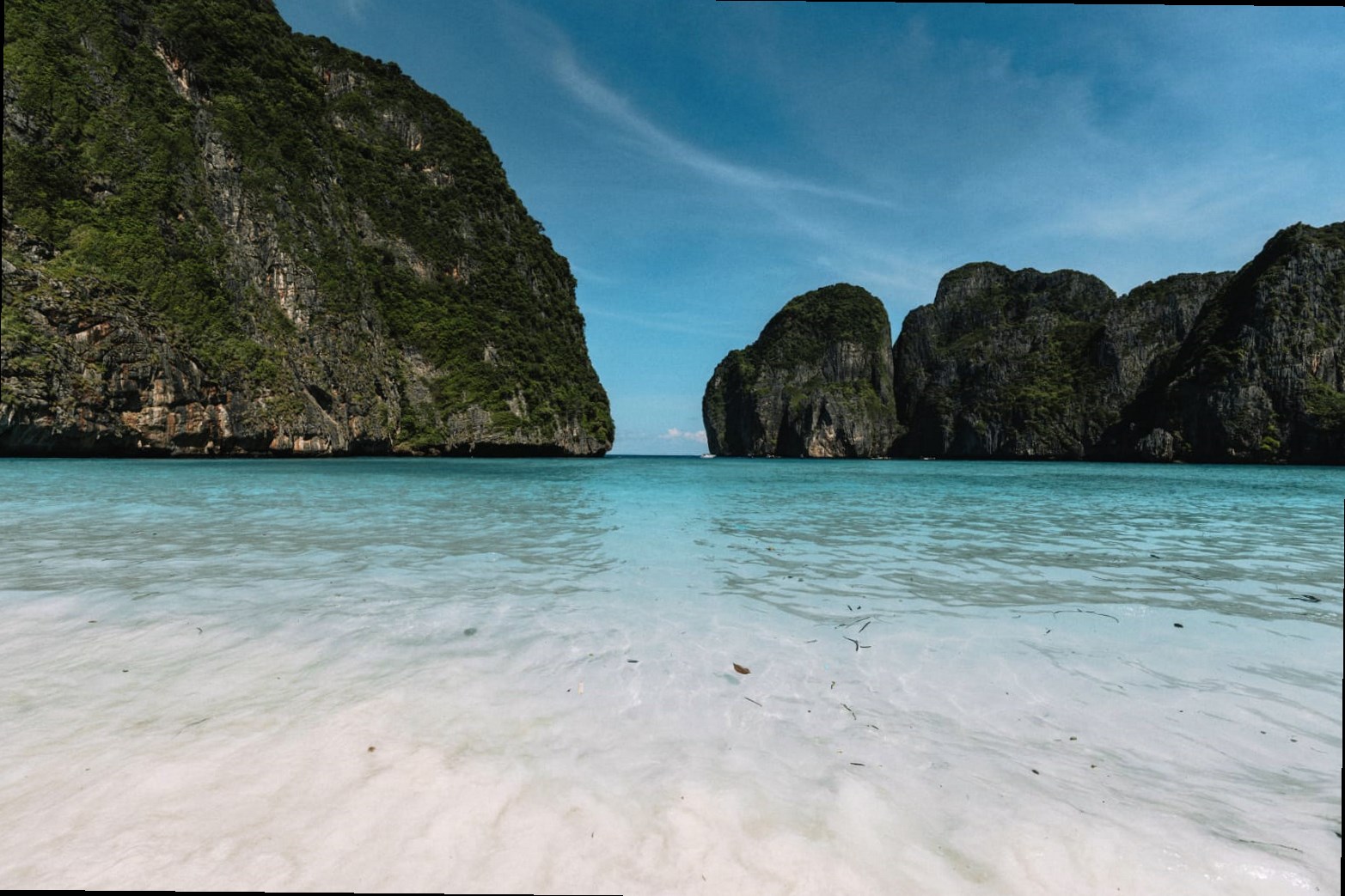
The setting really is dramatic. Sheer limestone cliffs wrap around a crescent of white sand on three sides. The water sits somewhere between turquoise and glass. Tucked away on Koh Phi Phi Leh, Maya Bay looks almost too perfect to be real.

As of 2026, you can't swim there anymore. Rangers only let you walk in the water up to your knees.

Many eco-friendly regulations like this were put in place to preserve the marine life. Years of overcrowding wrecked the coral, so the bay was shut down completely between 2018 and 2022 to let it recover.

And it worked.

Coral colonies were transplanted successfully by marine biologists, and the wildlife has returned. Blacktip reef sharks actually came back and started using the shallows as a nursery once the crowds disappeared.

Now that it's reopened, everything runs on a schedule. Boats aren't allowed inside the bay anymore. You get dropped at a jetty on the other side of the island and walk in through the jungle instead. Visitor numbers are capped, and your time on the sand is limited to about an hour.

There's also a yearly closure worth knowing. The bay shuts down for two months during monsoon season, usually August into September or October depending on the year, so the reef gets a break from tourism entirely.

Seeing all these efforts to save Maya Bay makes you appreciate this stunning site even more. This is a place the country has actively fought to save.

Timed visits No swimming Conservation
Read the full guide

Phuket · Family & surf

Kata Beach

Kata Beach sits about 17 km south of Phuket Town, on the island's west coast. It's often called the balanced choice. Not as wild as Patong, not as sleepy as some of the smaller beaches either.

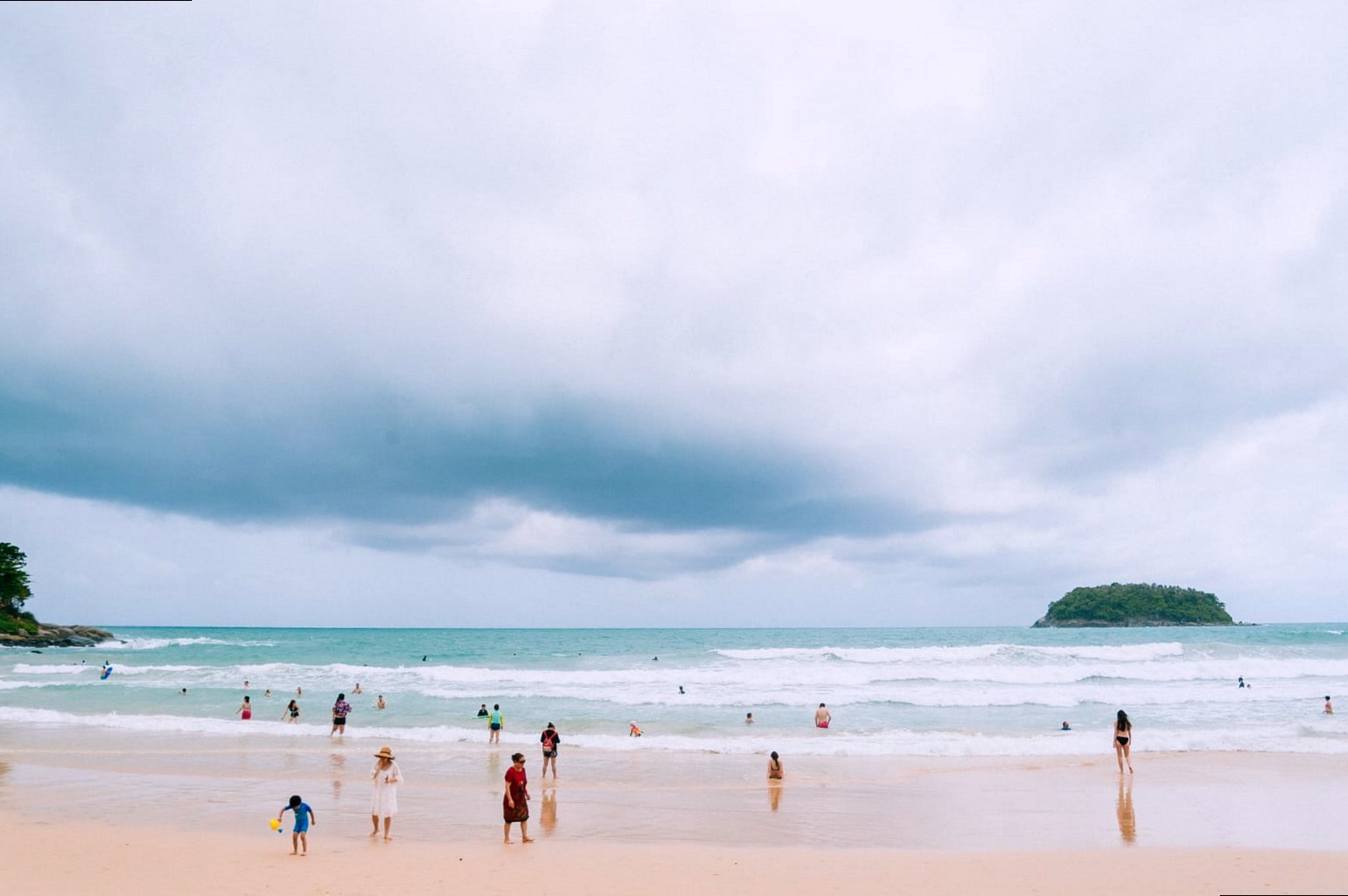
It is known as a family-friendly destination. The sand stretches around 1.5 kilometers, golden and soft, with a gentle slope into the water. That makes it easy for kids and non-swimmers too. Cafes and rental shops line the road just behind the beach, so you're never far from a cold drink or a sunbed.

The exciting thing is that Kata basically lives two lives.

In the dry season from November through April, the sea is calm, perfect for swimming, snorkeling, and lounging.

Then from May to October the southwest monsoon rolls in, and the whole vibe shifts. Surfers show up, waves build at the southern end, and surf schools open for the season.

If you're curious about trying it, lessons run around 1,000 to 1500 baht per person with an instructor, and board rentals are cheap too. Beginners usually do better at the edges of the season, so May or September rather than the peak swell of July and August.

Kata also splits into Kata Yai and the smaller Kata Noi just around the headland. Locals often say Kata Noi feels more private, less crowded, worth the short walk or ride if you want a quieter patch of sand.

Nightlife here is a little laid-back compared to Patong, but still lively and family-friendly. You get restaurants, a night market, the odd beach bar, but nothing that keeps you up till sunrise.

It's the kind of place people pick when they want the ocean, the food, and a bit of quiet all in the same trip.

Families Surf season Kata Noi
Read the full guide

Koh Samui · Main strip

Chaweng

Chaweng is Koh Samui's main event. If you land on the island and don't know where to go, this is where everyone ends up first.

The beach stretches for about 7 kilometers along the east coast. Powdery white sand, warm turquoise water, and a reef offshore that keeps the bay calm even when the wind picks up.

It's split into three parts, really. North Chaweng, Central Chaweng, and a quieter section called Chaweng Noi tucked behind a headland to the south.

The lively North Chaweng is where the beach clubs live. Places like Ark Bar and Seen Beach Club turn the shore into a party scene by late afternoon, with fire shows and music that carries well into the night.

Central Chaweng is more of the shopping and restaurant strip, busy but a bit more relaxed. Head south to Chaweng Noi and things quiet down fast. Fewer crowds, calmer water, same beautiful coastline.

Resorts on Chaweng Beach range from budget guesthouses to five-star places right on the sand. Jet skis, parasailing, paddleboarding, kayaking. It's all here if you want it.

One thing worth knowing before you go.

Some stretches near the northern end can get a bit littered during peak season, mostly from the number of people passing through. The southern parts stay noticeably cleaner.

Locals will even tell you the weather apps lie too. Island weather changes fast, and general forecasts rarely get it right, so don't cancel plans over a rain icon on your phone.

If you want energy, good food, and easy access to everything else on the island, Chaweng delivers. But if you're chasing total peace and quiet, this probably isn't your beach. Lamai may be more of your style.

7 km of sand Beach clubs Easy base
Read the full guide

Koh Samui · Quieter pace

Lamai

Lamai is Chaweng's calmer cousin. Same island, same warm water, completely different pace.

It sits on the southeastern coast of Koh Samui, about 15 minutes from Chaweng by car.

The sand is soft and golden, the water is calm enough for easy swimming, and the crowds thin out noticeably once you leave the main strip. People who visit both beaches usually say the same thing. Lamai feels more serene, with noticeably less commercialisation.

There's still plenty of activities to do here.

Beach bars, small restaurants, sunbed rentals, and a decent night market for evenings when you want to wander instead of sit still.

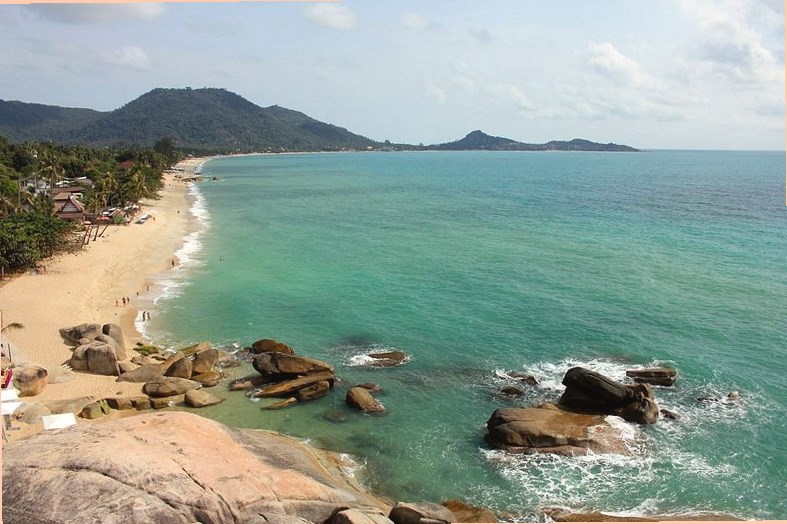
Lamai Viewpoint gives you a nice lookout over the coastline if you're up for a short walk.

One local landmark worth knowing about is Hin Ta and Hin Yai, a pair of rock formations with a cheeky local legend behind their shape. Tourists stop by constantly, and it's become one of those small must-see spots even if you're not big on sightseeing.

The best time to visit is December through April, when skies stay clear, and the sea stays calm. Visit during shoulder season, and you might get grey skies, though even then people say the beach still feels worth it, just quieter and a bit moodier.

Entry is free, parking is easy along the main road, and several hotels sit directly on the beach if you want to wake up steps from the water.

If Chaweng is where you go to be seen, Lamai is where you go to actually relax.

Serene Night market Dec–Apr
Read the full guide

Phuket · Hidden cove

Freedom Beach

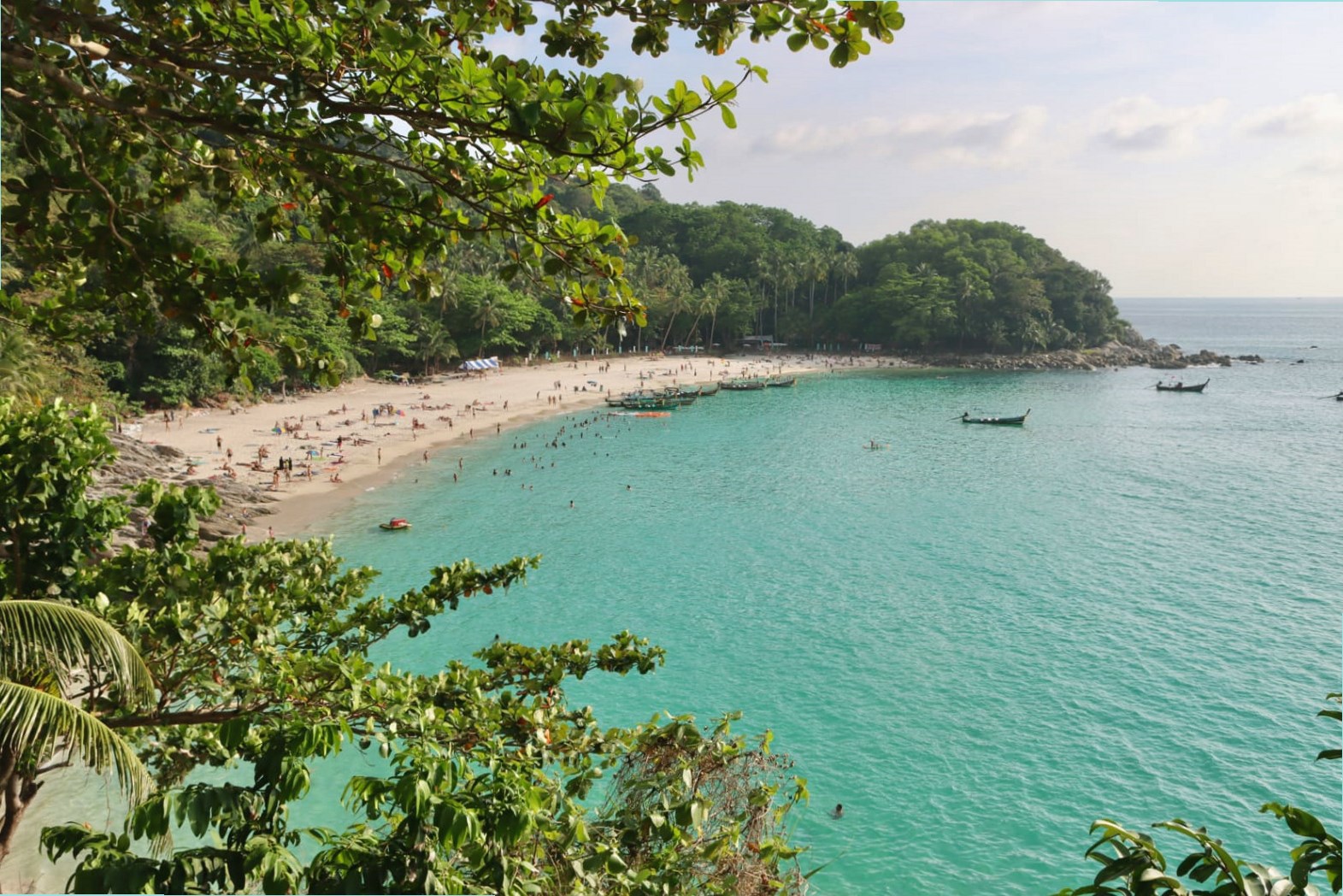
Freedom Beach earns its name honestly. No road runs straight to it, so it stays quiet even with Patong just around the corner.

It's a short stretch, about 300 meters of soft white sand tucked between rocky headlands. The water is clear enough for decent snorkeling right off the shore.

What really sets it apart is the lack of development. No hotels, no resorts, no rows of beach umbrellas competing for space.

Getting there takes a bit of planning. There are things to be considered.

Most people hop on a longtail boat from the southern end of Patong, near Amari. The ride takes around 10 to 15 minutes and runs about 1,200 to 1,500 baht round trip, depending on the boatman and how many people are splitting the cost.

There's also a jungle hike down from the road above. There's a small entry fee if the gate is open that day. It's steep, takes 20 to 30 minutes, and the walk back up the steep stairs can be very tiring.

Access on foot isn't always guaranteed. Locals mention it can be closed for maintenance or weather without much warning, so the boat is usually the safer bet if you're set on going.

Boats mostly run from December through May, when the sea stays calm enough for the crossing. During monsoon season, roughly June to November, getting there gets a lot harder and sometimes isn't possible at all.

Bring cash, bring water shoes if you're doing the hike, and don't expect much beyond a small restaurant and basic facilities once you arrive.

That's kind of the whole vibe. Freedom Beach isn't built up, and it's part of its allure.

No resorts Boat or hike Snorkel
Read the full guide

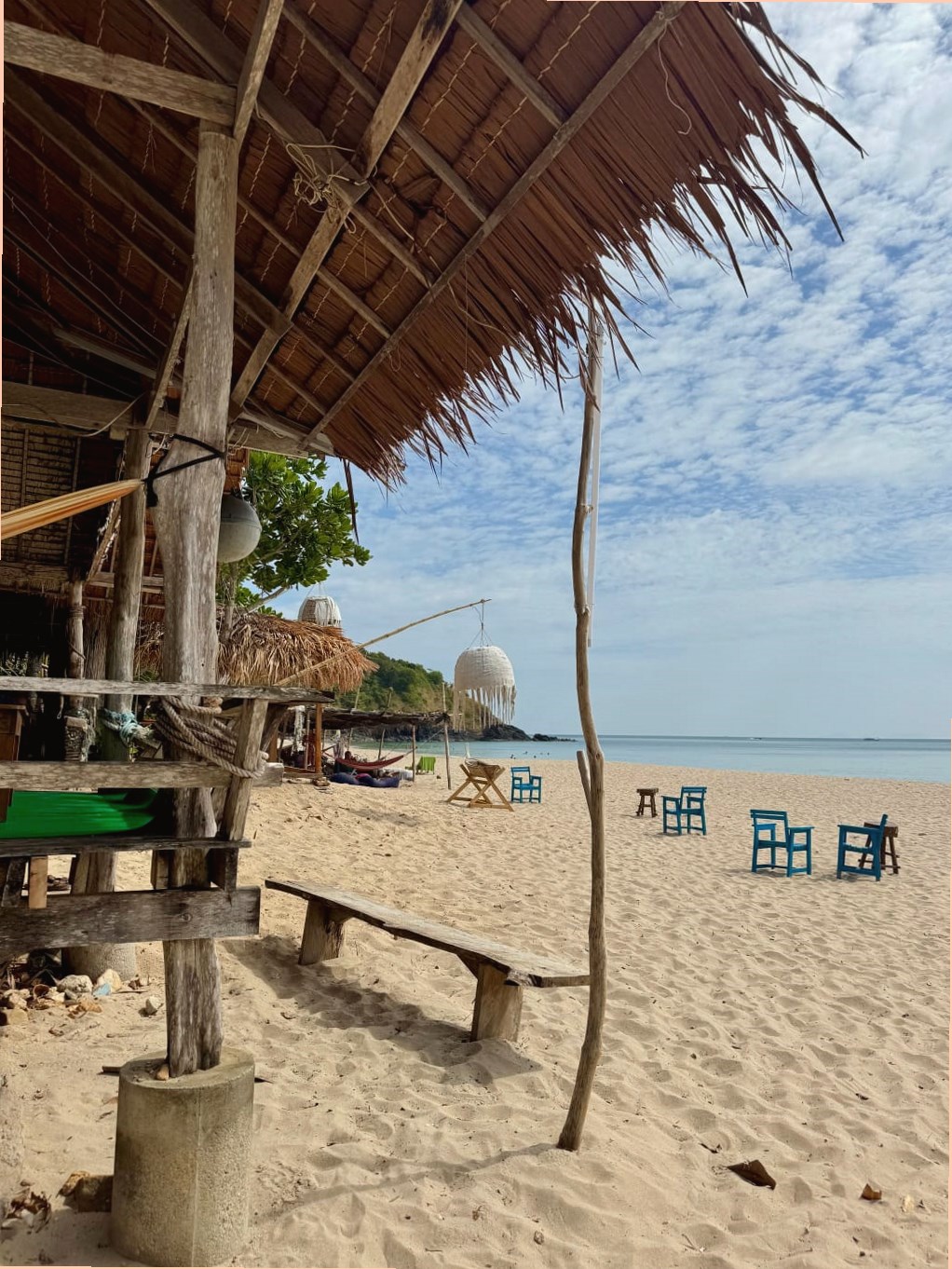
Koh Lanta · West coast

Long Beach (Koh Lanta)

Long Beach lives up to its name in the simplest way possible.

It's the biggest stretch of sand on Koh Lanta, and honestly, one of the easiest beaches in Thailand to just settle into.

Locals call it Phra Ae Beach, though most visitors just say Long Beach. It runs for about 3.5 kilometers along the island's west coast, wide enough that even in high season it rarely feels packed.

The sand is soft, the water is calm, it feels uncrowded, and the hotels range from cheap bungalows to proper resorts.

This is Koh Lanta's main hub too.

Restaurants, beach bars, the occasional yoga studio, all sitting a short walk from the water.

Families come here often, and so do divers, since a lot of dive shops on the island use Long Beach as their base for trips out to Koh Rok and Koh Haa.

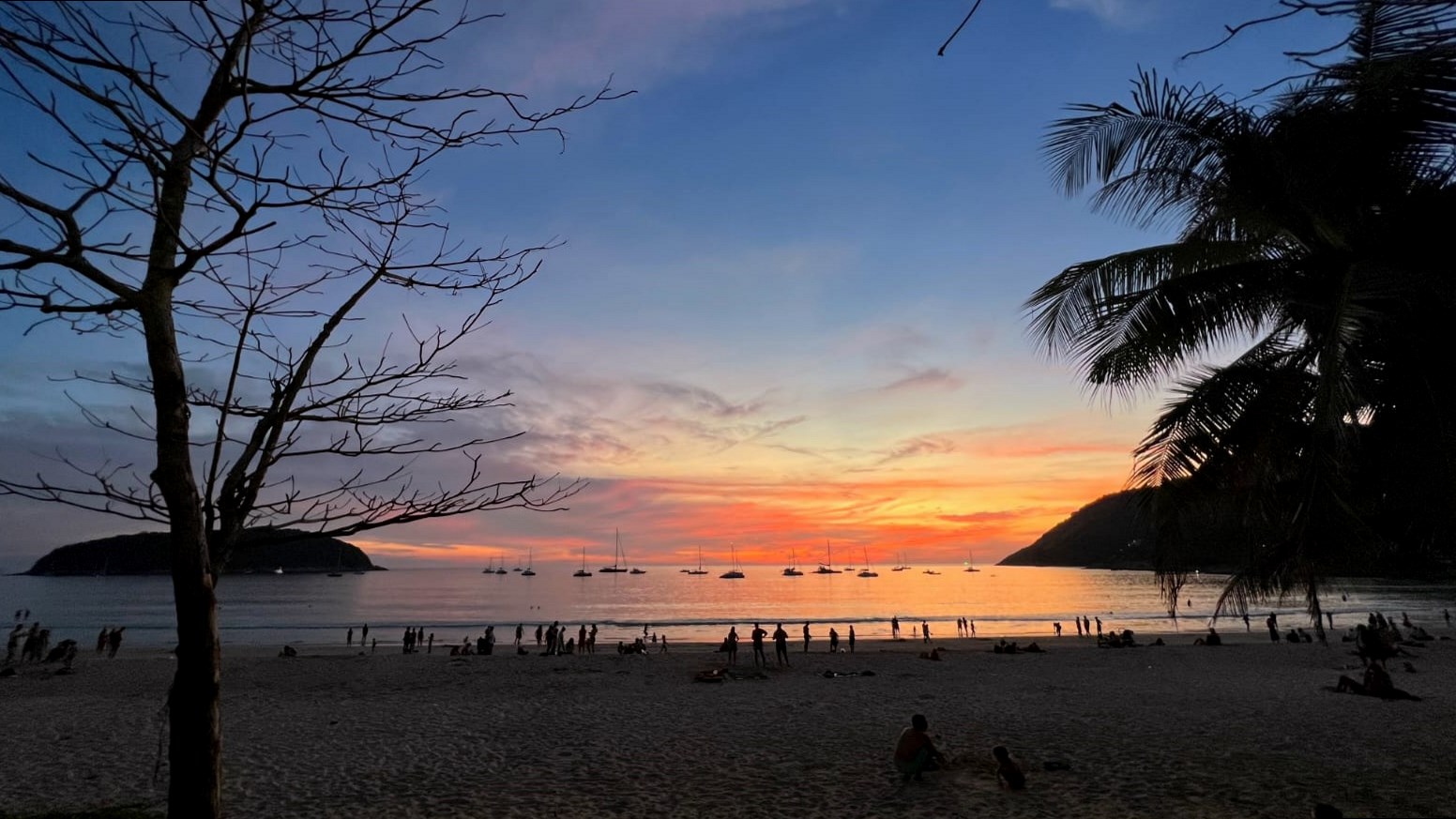
Sunsets are the real draw, though.

People genuinely plan their evenings around it.

Grab a beanbag at one of the beach bars, order a drink, and watch the sky burst into colors over the Andaman Sea.

It's become such a well-known thing that some travelers say Long Beach sunsets alone are worth the trip to Lanta.

Getting around is easy too. Scooters are the main way locals and tourists get from beach to beach, and Long Beach sits close enough to Saladan Pier that arriving by ferry isn't a hassle.

Compared to Phuket or Samui, Koh Lanta still feels a bit more relaxed, a bit less rushed. Long Beach captures that mood well.

Not empty, not wild, just an easy stretch of coastline where people come to slow down for a few days.

Sunsets Dive hub 3.5 km
Read the full guide

Similan Islands · Day trip

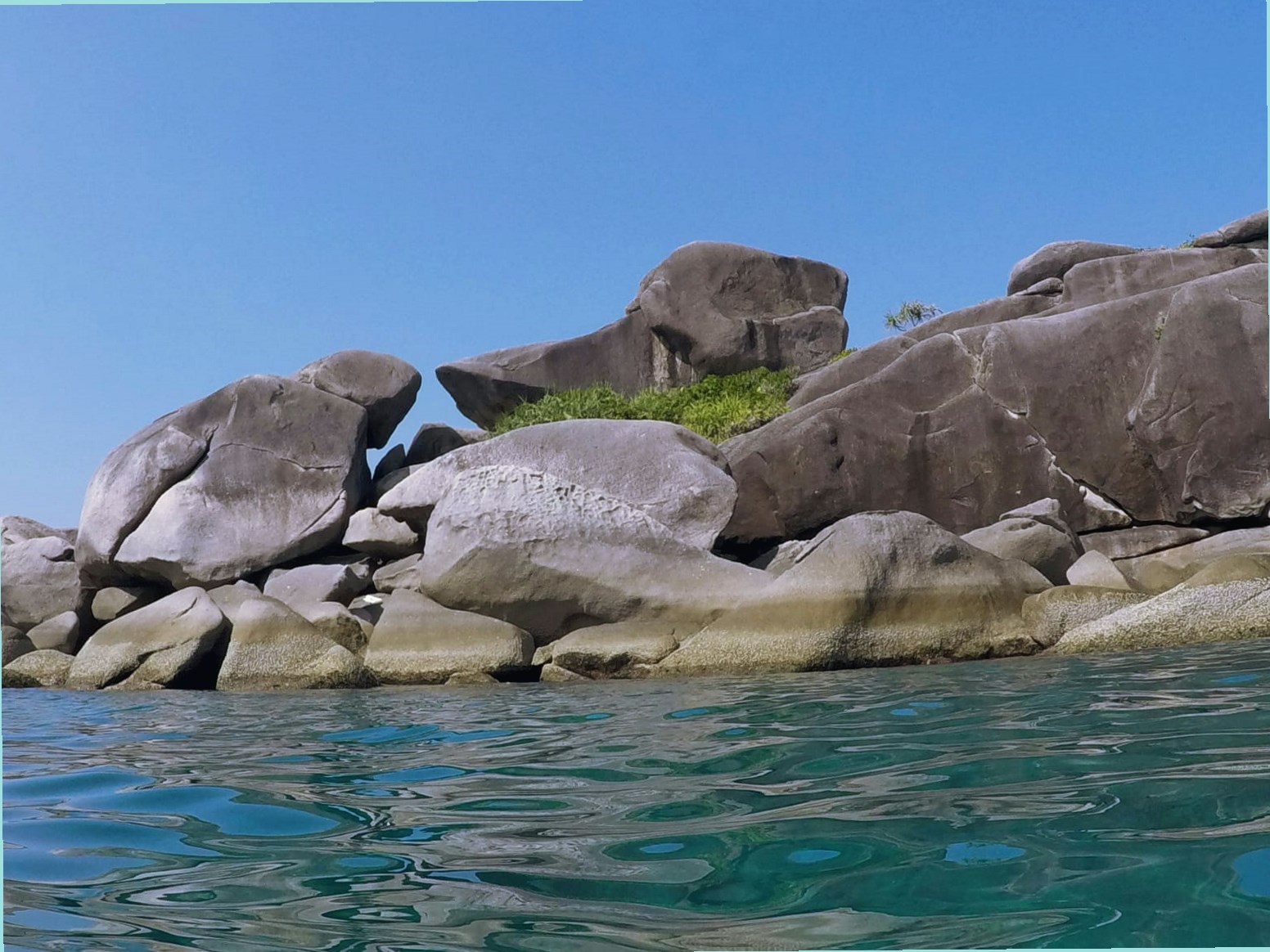
Donald Duck Bay

As of 2026, Donald Duck Bay got ranked the 10th best beach among the world's most beautiful beaches.

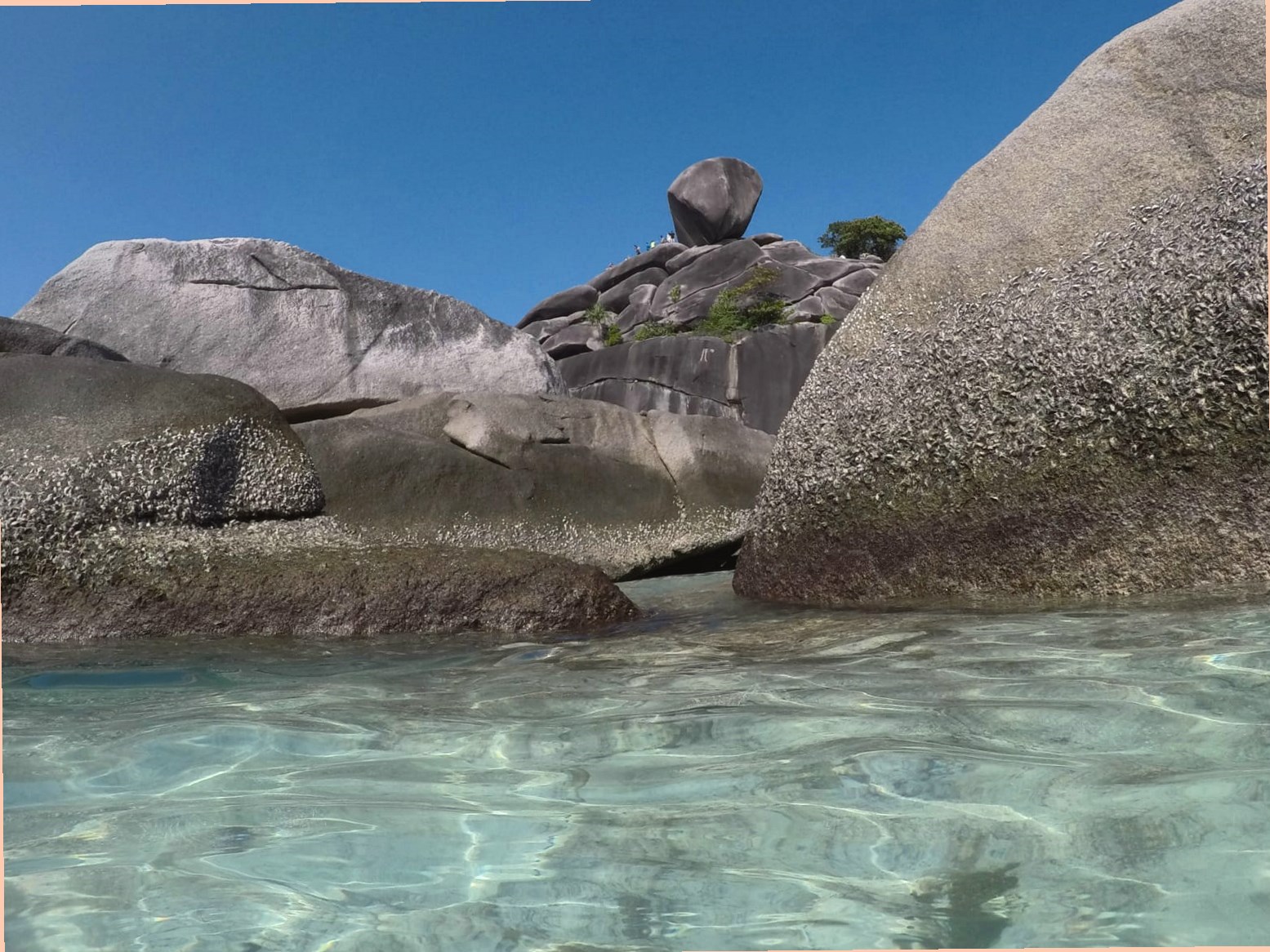
The name comes from a giant granite boulder called Sail Rock, which sits right on the shore and honestly does look a bit like a duck if you squint.

It's on Island 8, the biggest island in the Similan chain, up in Phang Nga province.

The sand is powdery white, the water is a clean turquoise, and the whole bay feels quiet in a way most Thai beaches don't anymore.

There is a catch, though. You can't just show up whenever you want. This is part of a protected national park, and it only opens from around mid-October to mid-May.

Once monsoon season hits, the whole park shuts down completely so the ecosystem can recover. That closure is a big reason the place stayed this pristine in the first place.

Getting there means a boat, usually a speedboat day trip from Khao Lak or Phuket.

There's no staying overnight either. Overnight stays on the islands have been banned since 2019, so every visit is a single day trip: snorkel, swim, hike up to the viewpoint, then head back before dark.

Needless to say, the underwater side is stunning. Visibility can hit 30 meters on a clear day, and it's common to spot parrotfish, squids, moray eels, sometimes even turtles or manta rays if you're lucky.

If you're planning a trip, book early.

Locals who run tours here say the final weeks before the May closure fill up fast, sometimes with zero seats left more than a month out. You essentially need to plan around this beach.

National park Oct–May only Book early
Read the full guide

Trang · National park

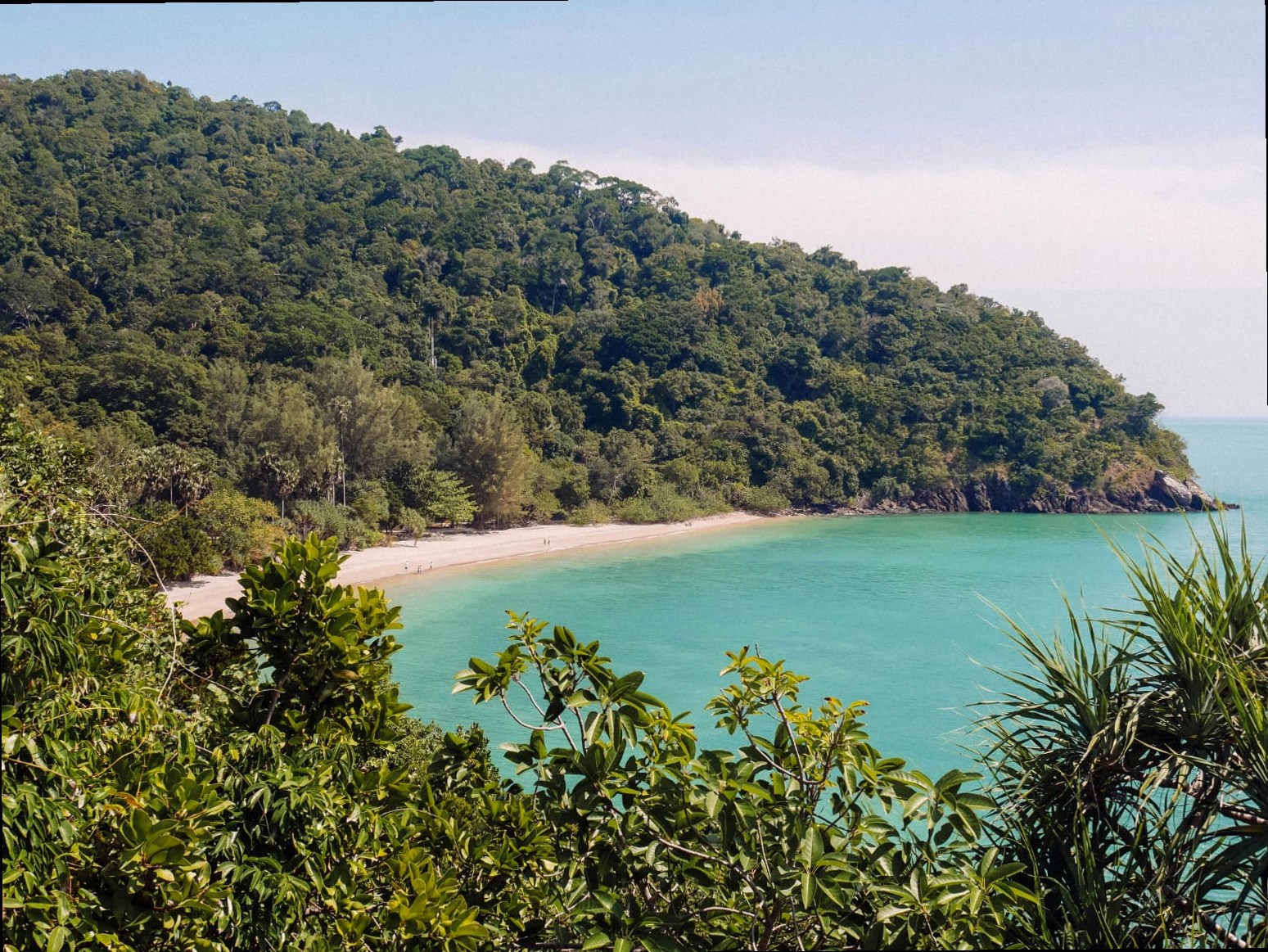
Koh Kradan

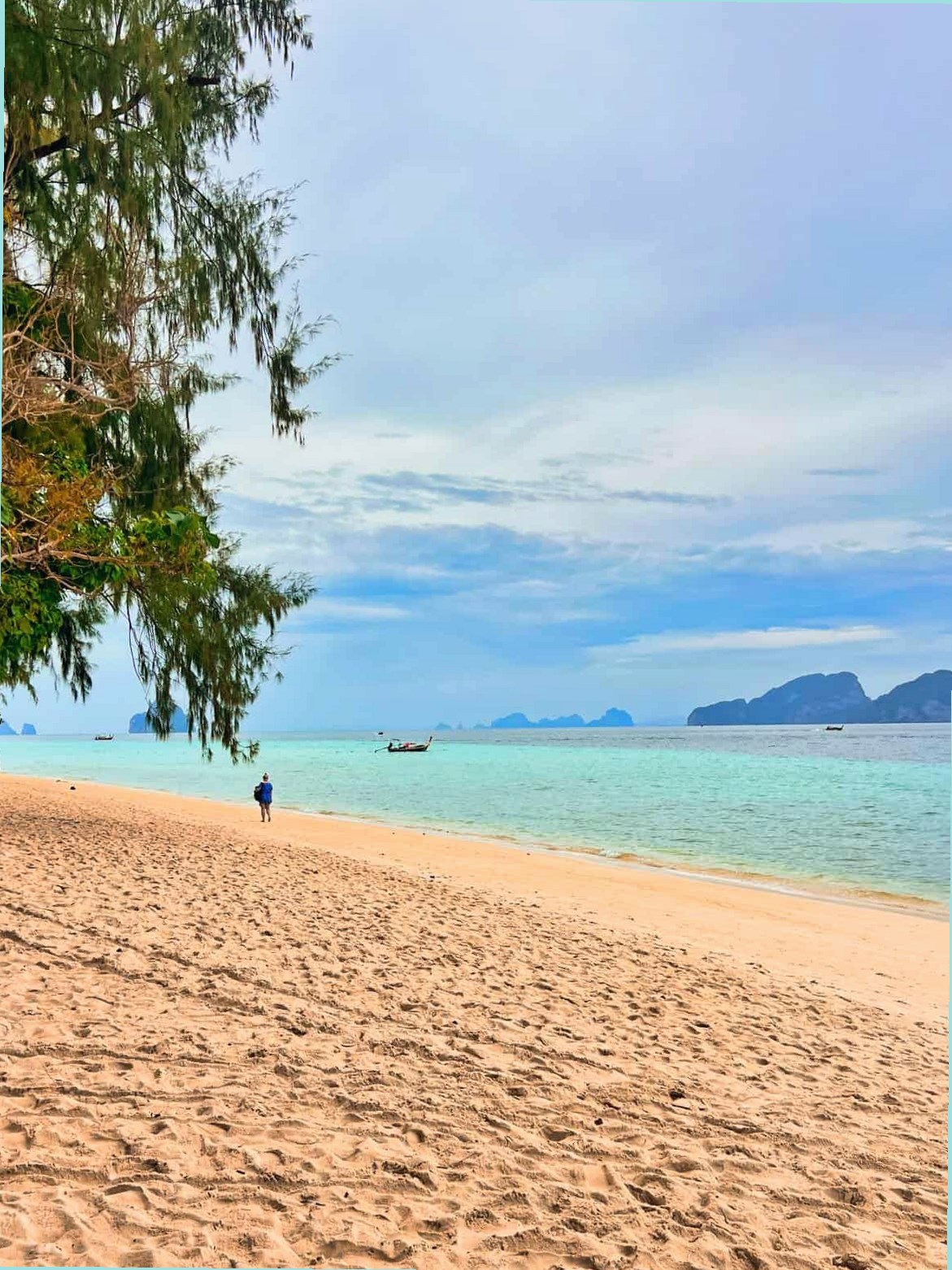
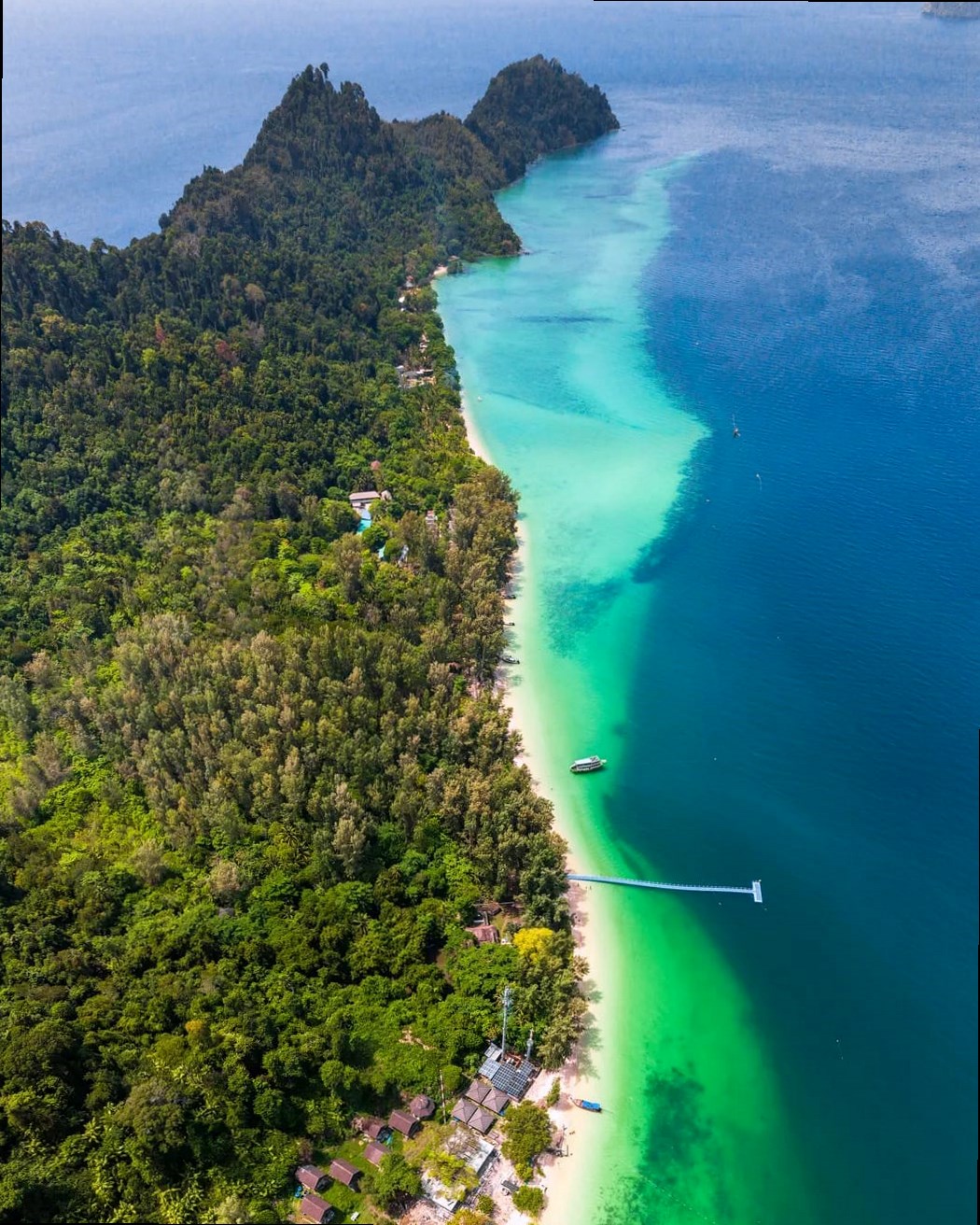
Koh Kradan is small and charming.

At only 2.5 square kilometers, this is the kind of island where you run out of things to do quickly, and somehow that's exactly why people love it.

It sits within Hat Chao Mai National Park, off the coast of Trang province. No shops, no nightlife, no supermarkets.

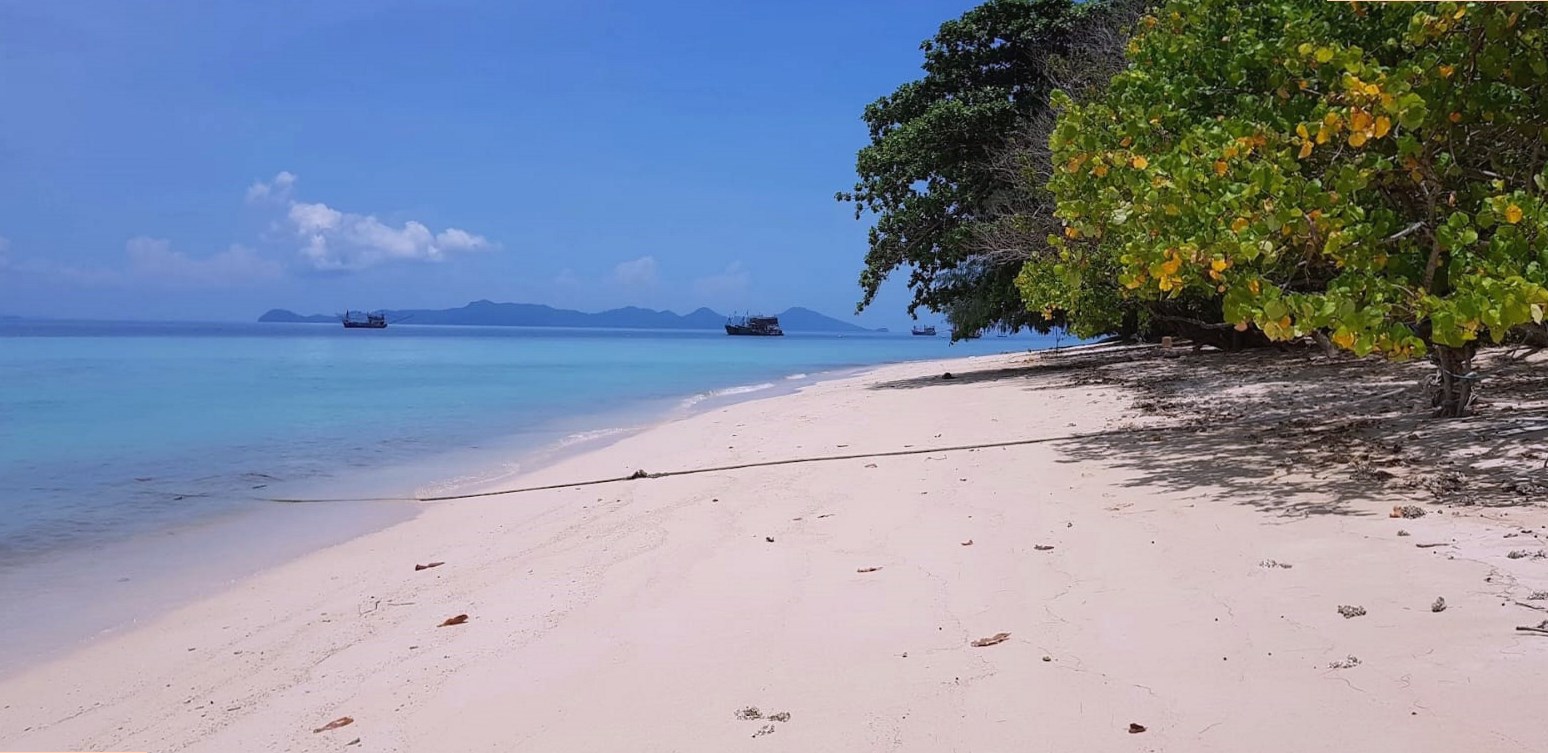
Just jungle, quiet beaches, and coral reef close enough to shore that snorkeling barely requires effort. Fig trees line parts of the sand too, leaning out over the water in a way that makes every photo look staged, even when it isn't.

Getting there takes a bit of effort, which honestly keeps the crowds thin.

From Trang, you'd fly in, then grab a taxi to Khuan Tung Ku Pier before chartering a longtail boat over. From Phuket, there's a direct speedboat that takes around three hours, stopping at a few other islands along the way like Koh Lipe or Koh Ngai.

There's a national park entry fee too, 300 baht for adults, paid in cash straight to the rangers.

Where you stay is simple by design. A handful of small resorts line the beach, ranging from basic fan rooms to nicer beachfront options.

Budget travelers sometimes camp through the national park office for around 400 baht a night, gear included, though be warned, the mosquitoes take that job seriously.

Best time to visit is November through April, when the sea stays calm and clear. Outside that window, expect more rain and rougher water.

If you're after nightlife or convenience, Kradan will frustrate you.

If you're after clear water, quiet beaches, and a break from everything digital, this is one of those islands that actually delivers on that promise.

Snorkel off shore Cash only park fee Digital detox
Read the full guide

Koh Chang · Haad Sai Khao

White Sand Beach

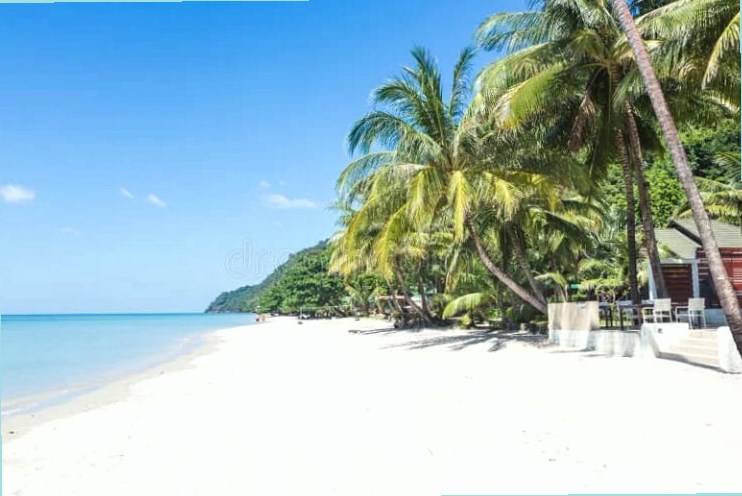
White Sand Beach, locally called Haad Sai Khao, is the beach most people end up on when they visit Koh Chang. It's the first one you hit after coming over the hill from Klong Son, and it's still the busiest stretch on the whole island.

Don't expect the intensity of Phuket or Samui, though. Koh Chang moves at its own pace, and even the liveliest beach here feels laid back by comparison.

The northern end is where the sand really shines, wide and soft, with the best swimming. Head south and it turns rockier, backed by cliffs instead of palm trees.

This is also where most of the island's infrastructure sits. Restaurants, bars, shops, dive centers; it's all within walking distance if you're staying anywhere along the strip.

Accommodation ranges wildly too, from 500 baht fan rooms tucked inland to beachfront villas running well into the thousands per night.

Many resorts here have been rebuilt in the last decade, so it's a mix of newer buildings alongside some older, more basic bungalow setups. If you want that classic backwater island feel, some of the smaller guesthouses set back from the beach still have it.

Getting to Koh Chang itself takes a bit of effort since there's no airport. Most people fly into Trat, then take a ferry, or come by bus from Bangkok to one of the piers before crossing over.

Nightlife exists here but stays fairly mellow, nothing like the full moon party scene elsewhere. White Sand Beach works best for people who want convenience and decent sand without needing constant entertainment.

It's popular, but it hasn't tipped into overdeveloped, at least not yet.

Laid-back hub Ferry access All budgets
Read the full guide

Koh Phangan · Northeast

Thong Nai Pan (Noi and Yai)

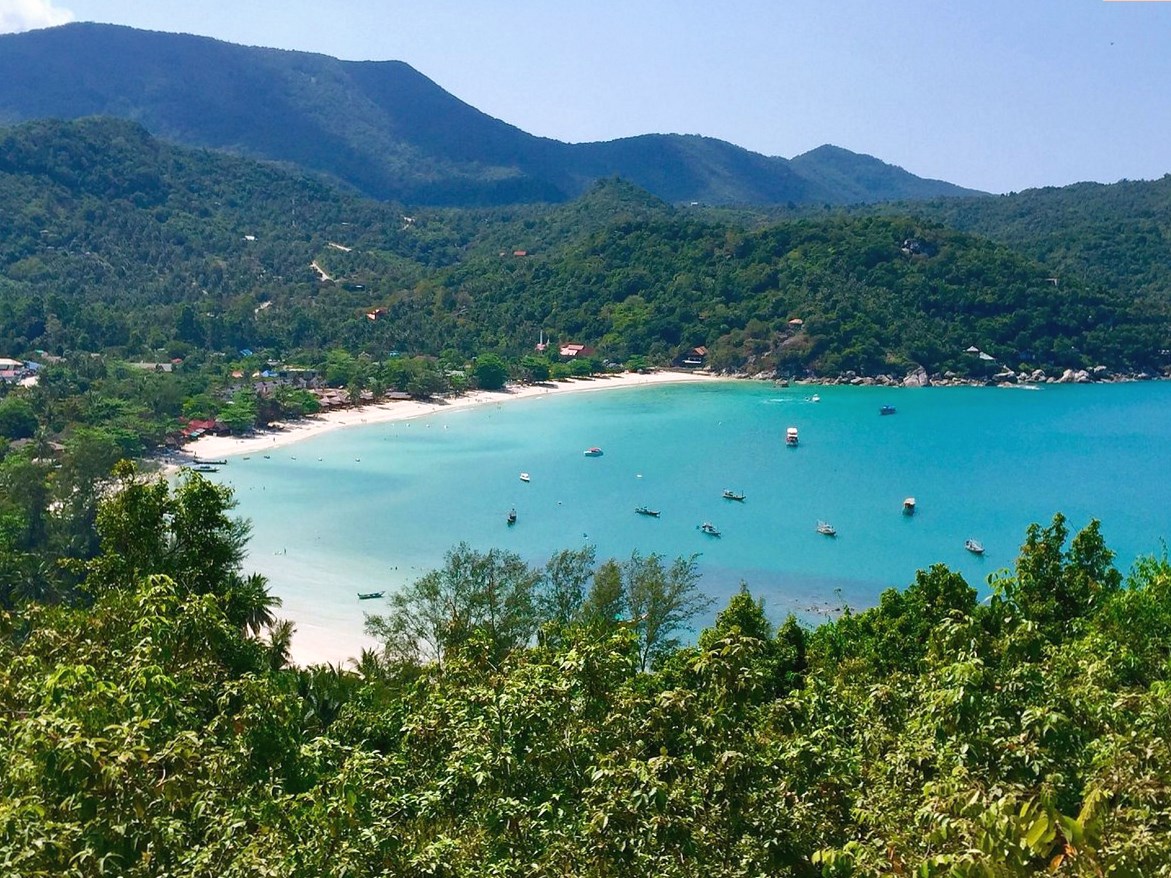
Thong Nai Pan is really two beaches wearing one name. Yai means big, Noi means small, and together they sit tucked into the northeast coast of Koh Phangan, about as far from the Full Moon Party crowd as you can get on this island.

Yai is the larger bay, wider and more exposed, with a mix of cheaper bungalows and a slightly rougher edge.

Noi, the smaller sibling, tends to have the nicer sand and calmer water, plus a handful of upscale resorts that give it a more polished feel.

The two are only about a 15-minute walk apart, separated by a small headland.

For years this place stayed hard to reach, only accessible by boat or a rough dirt track. That isolation kept it quieter and more upscale than the backpacker beaches down south, and even now that the road is paved, it still feels like a different island entirely.

Getting there takes some patience. From Thong Sala, it's around 30 to 40 minutes by scooter or songthaew, winding through jungle roads that climb steadily inland before dropping back down to the coast.

Shared taxis run for a fixed 300 baht per person, though drivers sometimes wait for more passengers before heading out, so don't expect an instant ride.

Both beaches have their own waterfall nearby if you're up for a short hike or jungle trekking, and Noi in particular has become known for laid-back massage spots and a slow, unhurried pace.

Swimming is good year-round at both bays, and the headlands around them offer decent snorkeling and a few viewpoint trails worth the climb.

If Haad Rin is where people go to party, Thong Nai Pan is where they go to recover from it, or better yet, skip that scene entirely and just enjoy quiet mornings by the water.

Twin bays Away from parties Waterfalls
Read the full guide

Krabi · Launchpad

Ao Nang Beach

Ao Nang isn't really about the beach itself. It's about everything the beach gives you access to.

It sits about 20 kilometers from Krabi town, roughly a 30-minute drive from the airport.

Ao Nang runs along a stretch of golden sand mixed with crushed shell, backed by those dramatic limestone cliffs Krabi is known for. Honestly though, even locals will tell you the sand here isn't the best in the province.

That's not really why people come.

This is Krabi's main hub. One of the most lively and commercialized beach spots.

Restaurants, bars, shopping streets, dive shops, and tour operators are all packed into one busy strip along the water. It used to be a small fishing village, and while that history is mostly gone now, the town kept its energy without turning into full-blown party central.

The real draw is what Ao Nang connects you to.

Longtail boats leave constantly for Railay, just a 10-minute ride around the headland, along with day trips to the Four Islands, Phi Phi, and Hong Island's turquoise lagoon.

If you're staying in Krabi and want easy access to everything without committing to one isolated beach, this is where most people base themselves.

However, it is worth noting that jet skis and parasailing are banned here. This means that the water stays calmer and quieter than places like Phuket or Pattaya.

Waves can get a bit choppy between April and July, so don't expect glassy conditions year-round.

Best time to visit runs November through March, dry season, clear skies, the kind of weather that makes island hopping actually enjoyable.

Ao Nang works best as a launchpad.

Good food, easy logistics, comfortable stay, and everything spectacular about Krabi is waiting in this scenic tourist hub.

Island hopping No jet skis Nov–Mar
Read the full guide

Phuket · Local favorite

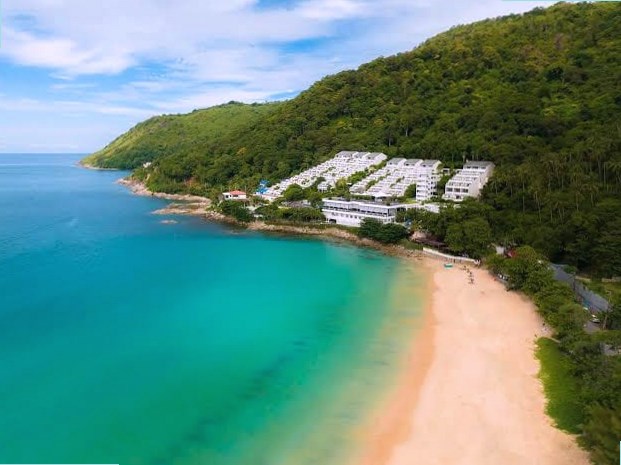
Nai Harn Beach

Nai Harn feels like Phuket before Phuket got loud.

Tucked at the very southern tip of the island near Promthep Cape. It's the kind of beach locals and long-term expats quietly claim as their own.

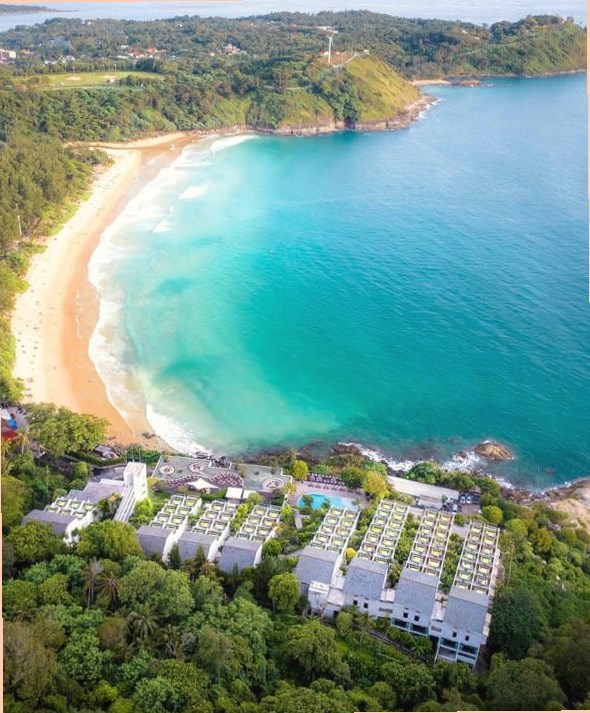
The bay stretches about 700 meters, backed by greenery instead of high-rise resorts. That's the biggest difference between this and Patong or Kata.

No towering hotels are crowding the shore. Just small restaurants and a natural feel that's actually held up despite Phuket's tourism boom.

Right behind the beach sits Nai Harn Lake, a freshwater spot where locals jog, cycle, or just relax in the early morning and evening. It's a nice contrast, ocean on one side, calm lake life on the other.

Swimming conditions shift a lot with the seasons here.

From November through April, the bay stays sheltered and calm, with some of the cleanest swimming water on this side of the island.

Then come May through October, the surf picks up, and Nai Harn actually becomes a decent surf and kitesurf spot instead.

Locals treat it almost like two different beaches depending on the month.

Nearby attractions add to the appeal. Wat Nai Harn temple sits close by, and Promthep Cape, one of Phuket's most famous sunset viewpoints, is just a short ride away.

If you're chasing nightlife or nonstop energy, this isn't your beach. But if you want fine sand, a slower pace, and a spot that still feels a little bit local despite being firmly on every travel guide's radar, Nai Harn delivers exactly that.

Local vibe Promthep nearby Seasonal surf
Read the full guide

Koh Phangan · Haad Khuat

Bottle Beach

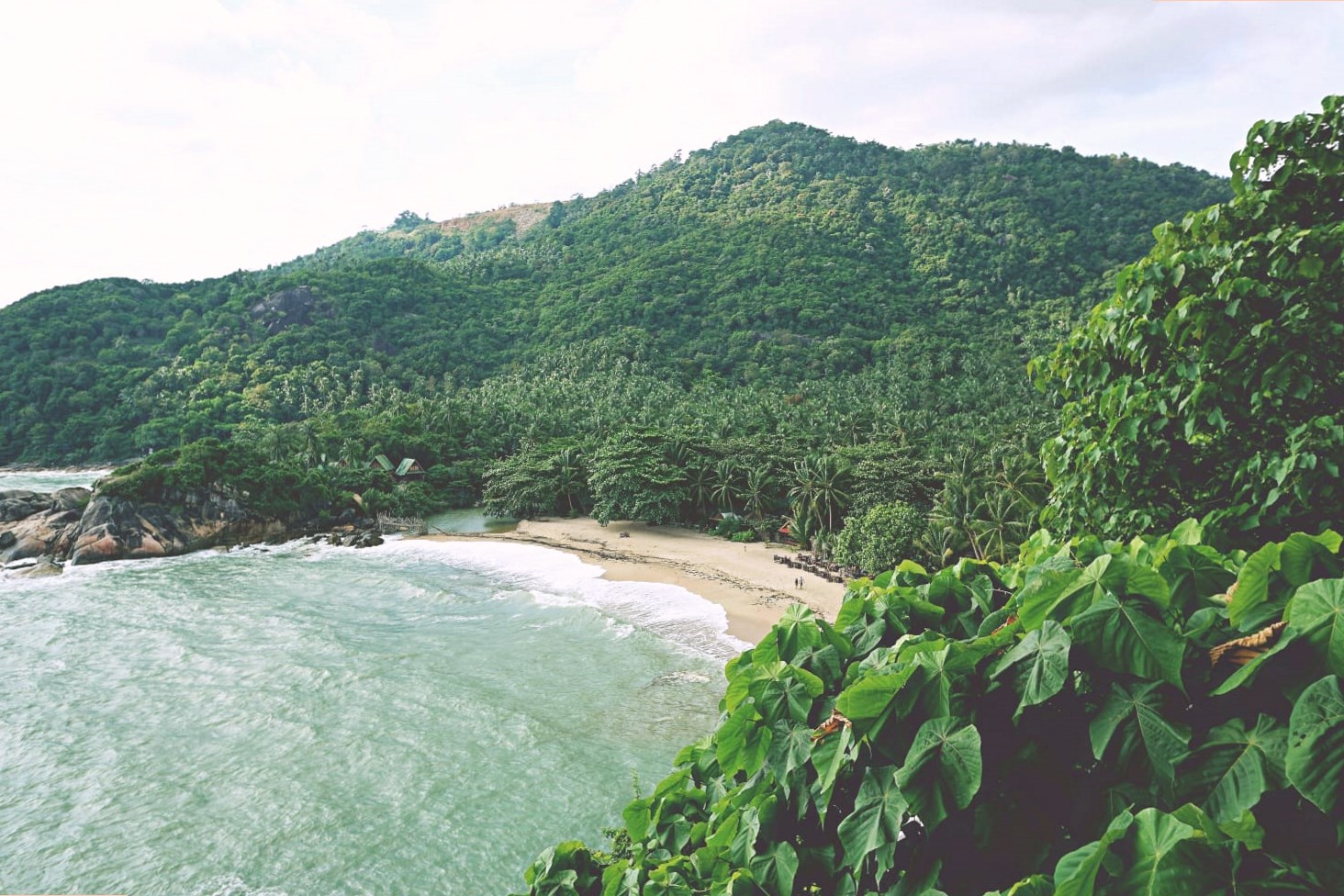
Bottle Beach earns its reputation the hard way. There's no easy road in, and honestly, that's the entire appeal.

Locally called Haad Khuat, it sits on the remote north coast of Koh Phangan, far from the Full Moon Party chaos down south. No paved road leads directly there, just jungle, limestone, and a stretch of soft white sand that stays quiet because most people simply can't be bothered to reach it.

Getting there is usually through one of two things.

Hire a longtail boat from Chaloklum or Haad Khom, a ride of about 15 to 30 minutes depending on where you start, costing somewhere around 150 to 400 baht each way.

Or hike in, which takes anywhere from one to two hours depending on the trail and your fitness level. Rough roads exist too, but unless you've got a 4x4, expect a fair bit of walking at the end anyway.

Once you're there, it's simple in the best way.

Clear, calm water good for swimming, decent snorkeling around the rocks at either end, and just enough infrastructure to survive comfortably. A handful of bungalows, a few small restaurants, volleyball nets on the sand.

If you're up for extra effort, there's a hiking trail behind Bottle Beach Resort that leads to a viewpoint above the bay.

Many say it's one of the best views on the entire island, jungle, coastline, and open water stretching out below.

Entry itself is free; the only real cost is getting there.

Bring water, decent shoes if you're hiking, and don't rush it. Bottle Beach rewards people who treat the journey as part of the experience, not an inconvenience before the good part starts.

Remote Boat or hike Viewpoint trail
Read the full guide

Trang · No roads

Koh Ngai (Long Beach)

Koh Ngai is the kind of place people describe by what it doesn't have, and somehow that's the whole selling point. No roads, no ATM, no 7-Eleven, no real nightlife.

The island is tiny, about 4 kilometers long and 2 wide, mostly covered in mountains and jungle.

Long Beach runs along the eastern side, a stretch of soft white sand backed by a handful of small resorts and beach bars. Since there's basically no indigenous population, most visitors end up feeling like the whole island belongs to them for a few days.

Getting around means walking, since there are no roads and nothing to rent.

That's not really an issue, though.

The island is small enough that everything sits within easy reach, and the resorts along the southern end of Long Beach tend to be the nicest, with better sand, less affected by low tide than the northern stretch.

Snorkeling right off the beach is a big draw here. Clear water, shallow coral reef close to shore, and the kind of visibility that makes even casual swimmers want to grab a mask.

Limestone cliffs stand tall and proud around parts of the coastline too, giving the whole scene a dramatic backdrop.

Getting there usually means flying into Trang, then taking a boat transfer, roughly 45 minutes to an hour depending on the pier and weather.

Bring cash. Seriously.

With no ATM anywhere on the island, running out of baht during the trip is a real problem, and the one small minimart charges island prices for basics.

If you want beach bars, shopping streets, or anything resembling a scene, Koh Ngai will bore you fast.

If you want silence, clear water, and absolutely nothing to do but relax, this is one of those islands people quietly fall in love with.

Bring cash Walk everywhere Shore snorkel
Read the full guide

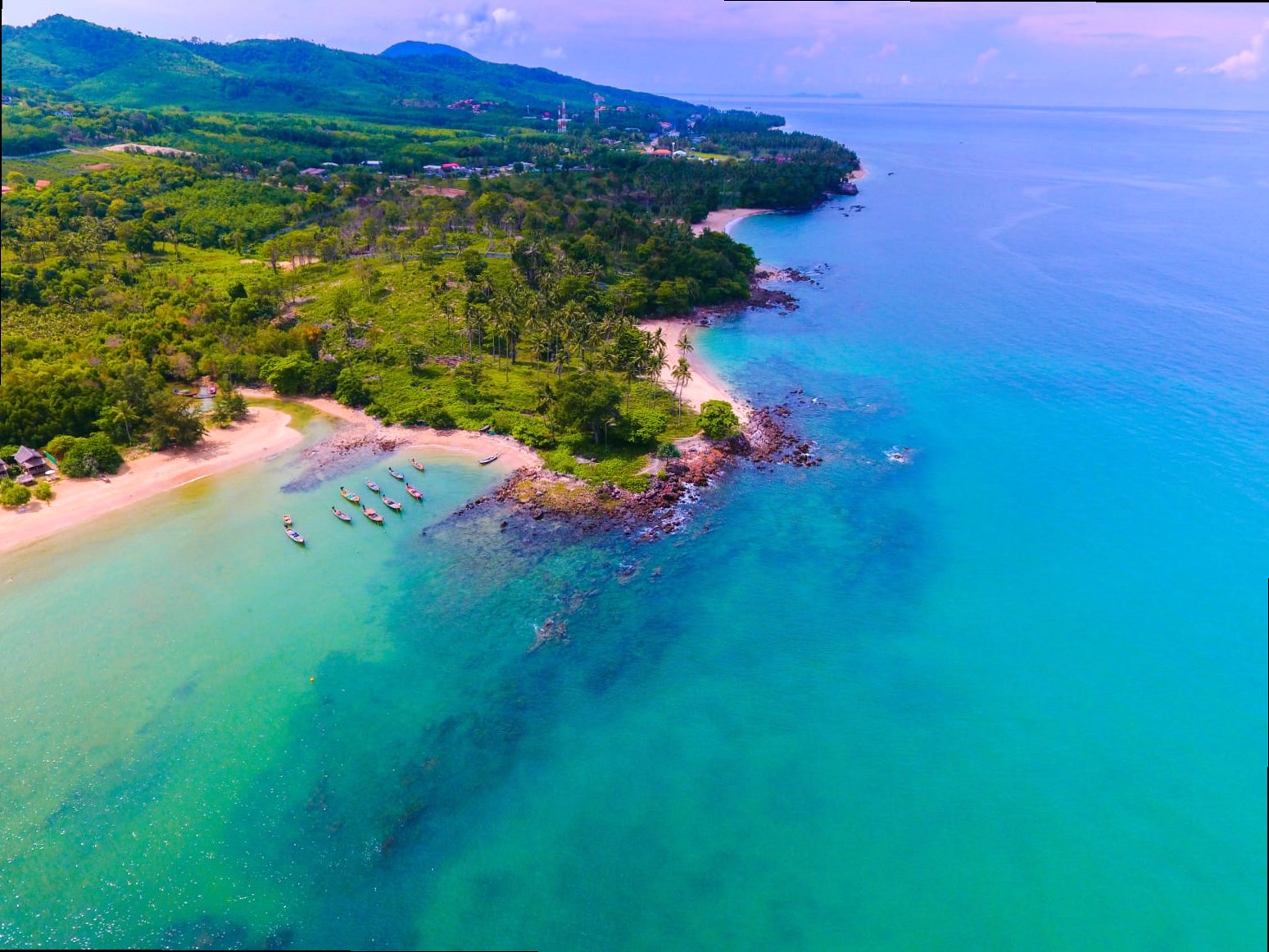
Koh Kood · Hat Khlong Chao

Koh Kood (Hat Khlong Chao)

Klong Chao is arguably the most popular spot on Koh Kood, and for good reason.

It sits right where a river meets the sea, split by a small concrete bridge, with powder-soft sand and calm blue water stretching along the coast.

This counts as the island's tourist center, though don't picture anything crowded. Even during high season, the beach rarely has more than a few dozen people scattered across it.

A handful of restaurants, cozy bars, and both budget guesthouses and upscale resorts line the area, some right on the river, others directly on the sand.

What makes Klong Chao special is what's just inland.

A short walk from the beach leads to Klong Chao Waterfall, three tiers tumbling into a deep plunge pool, with a rope swing locals rigged up for anyone brave enough to use it.

It's actually got history too; King Rama VI visited back in 1911 and gave it a royal name. There are two smaller waterfalls nearby as well if you want to make a full day of it.

Getting to Koh Kood itself takes some effort. Since there is no airport here, most people take a ferry from Laem Sok Pier in Trat province, roughly an hour and a half by boat.

Once you're on the island, life slows down fast. No loud nightlife, no big party scene, just beaches, jungle trails, and kayaking through quiet mangrove channels.

Locals and repeat visitors often compare Koh Kood to what Koh Chang or Koh Samui felt like decades ago.

Klong Chao is the easiest entry point into that experience, close enough to everything, developed just enough to be comfortable, but still far from crowded.

Waterfall Uncrowded Ferry from Trat
Read the full guide

Koh Phangan · Full Moon

Haad Rin Beach

Haad Rin has a reputation that walks in the room before you do. Mention Koh Phangan to anyone who's been to Thailand, and this is usually what they think of first.

It sits on the island's southeastern tip, a narrow peninsula with two beaches back to back, just a few hundred meters apart.

Haad Rin Nok, also called Sunrise Beach, is the famous one. This is where the monthly Full Moon Party has run every single month since the late 1980s. And it's still going strong today: buckets of alcohol, neon body paint, fire jump ropes, thousands of people on the sand at once.

Haad Rin Nai, or Sunset Beach, is the quieter twin on the west side. Same peninsula, completely different mood. Calmer water, shadier in the afternoons, and a much more relaxed pace, even during the chaos of a Full Moon night just around the corner.

The town itself grew up fast around the party scene.

Budget hostels sit next to luxury resorts, and the strip is packed with bars, restaurants, and shops that stay busy well past midnight most nights, not just on party dates.

It is Worth knowing that the unforgettable Full Moon Party happens on schedule every month regardless of weather.

It takes place even during the rainy season from October through January when the seas get rough, and rain gets heavy. It's genuinely an all-weather event at this point.

If partying isn't your thing, Sunset Beach still gives you a decent stretch of sand without the noise.

But if Haad Rin is on your list, chances are it's for one specific reason, and that reason shows up right on schedule every month, full moon or not.

Full Moon Party Sunrise & Sunset All-weather
Read the full guide

Koh Tao · Dive capital

Sairee Beach

Sairee Beach is the heartbeat of Koh Tao and absolutely stunning.

Running about 1.85 kilometers along the west coast, this is the longest beach on Koh Tao and easily its busiest.

Golden sand, calm shallow water, and a road right behind the beach absolutely packed with dive shops, PADI schools, guesthouses, restaurants, even a couple of 7-Elevens.

If you're coming to Koh Tao to learn to dive, chances are you'll end up here at some point regardless of where you stay.

That's really the whole story of this island. Koh Tao certifies more new divers than almost anywhere on earth, and Sairee is ground zero for that.

Shops line up one after another, competing hard on price and course quality, which honestly works out well for anyone showing up to get certified.

Open water dives here happen close to shore too, since the water stays shallow and calm most of the year, ideal for beginners still finding their footing.

Once the sun starts dropping, the whole beach shifts mood.

This is one of the best sunset spots on the island, and the bars know it. Fire shows kick off most nights, music picks up, and Sairee turns into the social center of Koh Tao after dark.

Night markets and street food vendors line the strip too, so you're never far from a meal between drinks.

During the day it's simpler pleasures: tree swings, beach volleyball, snorkeling out toward the reef, or just parking yourself with a drink and watching boats come and go.

If you want Koh Tao's quiet side, it is found further south or around the smaller bays.

But if you want diving, energy, and everything within walking distance, Sairee is exactly where you want to be based.

PADI hub Sunsets Fire shows
Read the full guide

Koh Samet · Sai Kaew

Koh Samet (Sai Kaew)

First-time visitors to Koh Samet mostly land here at Sai Kaew. It's the closest good beach to the main pier, and honestly the busiest one on the island.

Locally called Hat Sai Kaew, it sits about 800 meters from Na Dan Pier, a 15 to 20-minute walk along a paved coastal path. If you want to skip the heat, you can opt for a quick songthaew ride.

The sand here has this fine, almost glassy texture that locals genuinely compare to powdered glass, and the water stays clear enough for decent swimming most of the year.

This is the lively end of Koh Samet.

Restaurants, beach bars, and nightly fire shows line the central strip, a bit of a signature move on this island.

Fresh seafood, spicy dipping sauces, and a mix of nationalities gather under the stars most evenings. If you want quiet though, just walk toward either end of the beach, away from the main strip, and things calm down fast.

Getting to Koh Samet itself is straightforward.

Drive or taxi to Ban Phe Pier, roughly 2 to 4 hours from Bangkok depending on traffic, then a 30 to 45 minute ferry crossing. There's a national park entry fee too, 200 baht for foreign visitors, since the whole island falls under Khao Laem Ya - Mu Ko Samet National Park.

The park takes conservation seriously here.

Controlled boat numbers, waste sorting stations, reef safe sunscreen pushed by most operators. It's a small effort from visitors that keeps the water and sand looking the way people come here for.

Best time to go is November through February, dry season, calm seas. May through October brings rain and rougher water, though the crowds thin out considerably if quiet is what you're after.

Near Bangkok Park fee 200฿ Fire shows
Read the full guide

Koh Lipe · East coast

Sunrise Beach

Sunrise Beach is exactly what its name promises.

Wake up early here, and the sky does something magical.

It sits on the eastern side of Koh Lipe, a tiny island tucked deep in the south, closer to Malaysia than to most of mainland Thailand.

This is actually the island's biggest beach, a long stretch of white sand with clear, calm water. Two small islands sit just offshore, Koh Kra and Koh Usen, and both are solid spots for snorkeling.

The water here stays gentle most of the year, which is exactly why so many people choose Sunrise over the livelier Pattaya Beach nearby.

There are Fewer boats, fewer crowds, more of a slow morning kind of feel.

Resorts line the sand too, everything from simple bungalows to upscale villas, so there's a place to stay no matter your budget.

Getting to Koh Lipe takes a bit of commitment. Most travelers catch a speedboat from Pak Bara Pier on the mainland, around 90 minutes, or arrive from Langkawi in Malaysia during high season.

Once you're there, Sunrise Beach is a short walk from the main pier through Walking Street.

If you want the full experience, show up about thirty minutes before sunrise. Check the tide the night before too.

High tide tends to make the whole scene look even better, water pushed right up near the tree line, colors reflecting off the surface.

Koh Lipe overall has grown busier over the years, more resorts, more visitors, a bit more polish than it used to have. Still, compared to Phuket or Samui, it stays refreshingly low key.

Sunrise Beach captures that mood perfectly. Quiet mornings, good snorkeling, and a view worth setting an alarm for.

Wake early Snorkel islets Low-key

About us

Built for travelers, not brochure lists

Most beach guides get copied from one site to another. We research Thailand's coastline beach by beach, with practical details, seasonal quirks, and honest notes on crowds, so you show up prepared.

Read our full story →