Nai Harn Beach: The Complete Guide to Phuket's Quiet Southern Escape
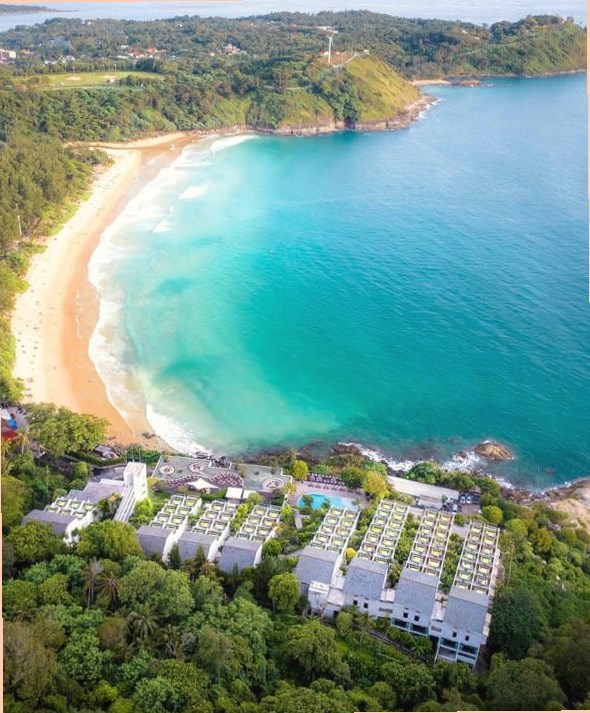
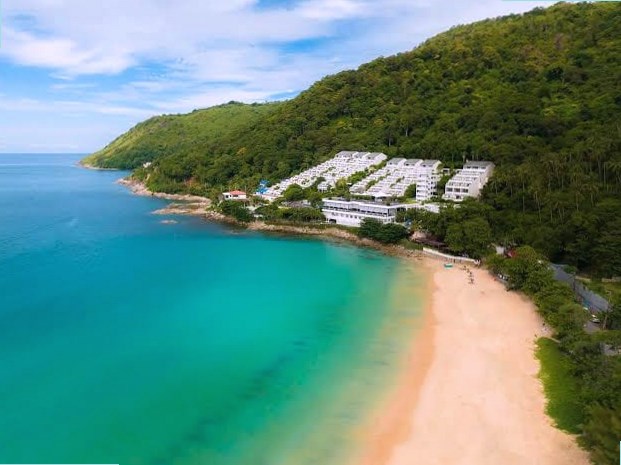
Nai Harn Beach is at the far southern tip of Phuket.
This geography is why it feels so different from the island's busier northern beaches.
Situated in the Rawai area, this crescent bay has built a reputation as the calmer, more relaxed alternative to Patong.
The kind of place regular visitors and long-term expats quietly claim as their own rather than something plastered across every tourist brochure.
Here's everything worth knowing before making the trip down.
Where Nai Harn Sits and What Makes It Different
The beach occupies a sheltered bay on Phuket's southern coast, backed by lush greenery rather than the resorts found elsewhere on the island. T
That absence of large-scale development is the single biggest reason Nai Harn keeps its peaceful reputation intact even as tourism across Phuket has grown considerably.
Soft white sand, clear water, and a relaxed pace define the experience here more than any single attraction does.
Getting There: Every Route Broken Down
From Phuket International Airport
- The drive covers a fair stretch of the island, since Nai Harn sits at the far southern tip while the airport sits up north
- Airport taxis, pre-arranged transfers, and ride-hailing apps all cover this route, with travel time depending heavily on traffic through Phuket Town
From Patong or Karon
- A shorter drive south along the coastal roads, typically taking somewhere between 20 and 40 minutes depending on the starting point and traffic
- Songthaews (shared open-air trucks) run along the main routes connecting Phuket's western beaches, though schedules can be less predictable heading this far south
From Rawai and Chalong
- Nai Harn sits just a short drive from both of these nearby areas
- Scooter rental is popular for this stretch specifically, since the roads connecting Rawai, Chalong, and Nai Harn are relatively manageable compared to some of Phuket's steeper northern routes
Getting around once you're there
- The beach itself is walkable end to end
- Tuk-tuks are readily available for reaching nearby coves and viewpoints without needing your own transport
- A scooter remains the most flexible option for anyone planning to explore the wider southern Phuket area during their stay
Best Time to Visit
November through February brings the calmest weather and clearest seas, the window most consistently recommended for a visit.
The monsoon season runs roughly May through October. It brings stronger waves and more unpredictable currents unsuitable for swimming.
The beach stays accessible around the clock, so there's no fixed opening or closing time to plan around, though the usual daylight hours remain the practical window for most activities.
What Fills a Day at Nai Harn
Swimming and sunbathing are the obvious anchors here.
The sheltered bay keeps conditions calmer than more exposed stretches of coastline elsewhere on the island, particularly outside monsoon season.
Snorkeling near the rocky edges of the bay gives visitors a chance to explore marine life without needing a boat trip.
Though the clearer, more established snorkeling and diving spots sit a bit further afield, local operators run day trips out to nearby reefs.
Kayaking and paddleboarding along the coast open up a slower, more exploratory way to see the area.
There are several hotels and rental spots offering equipment for visitors wanting to drift past limestone cliffs and discover smaller coves tucked along the shoreline.
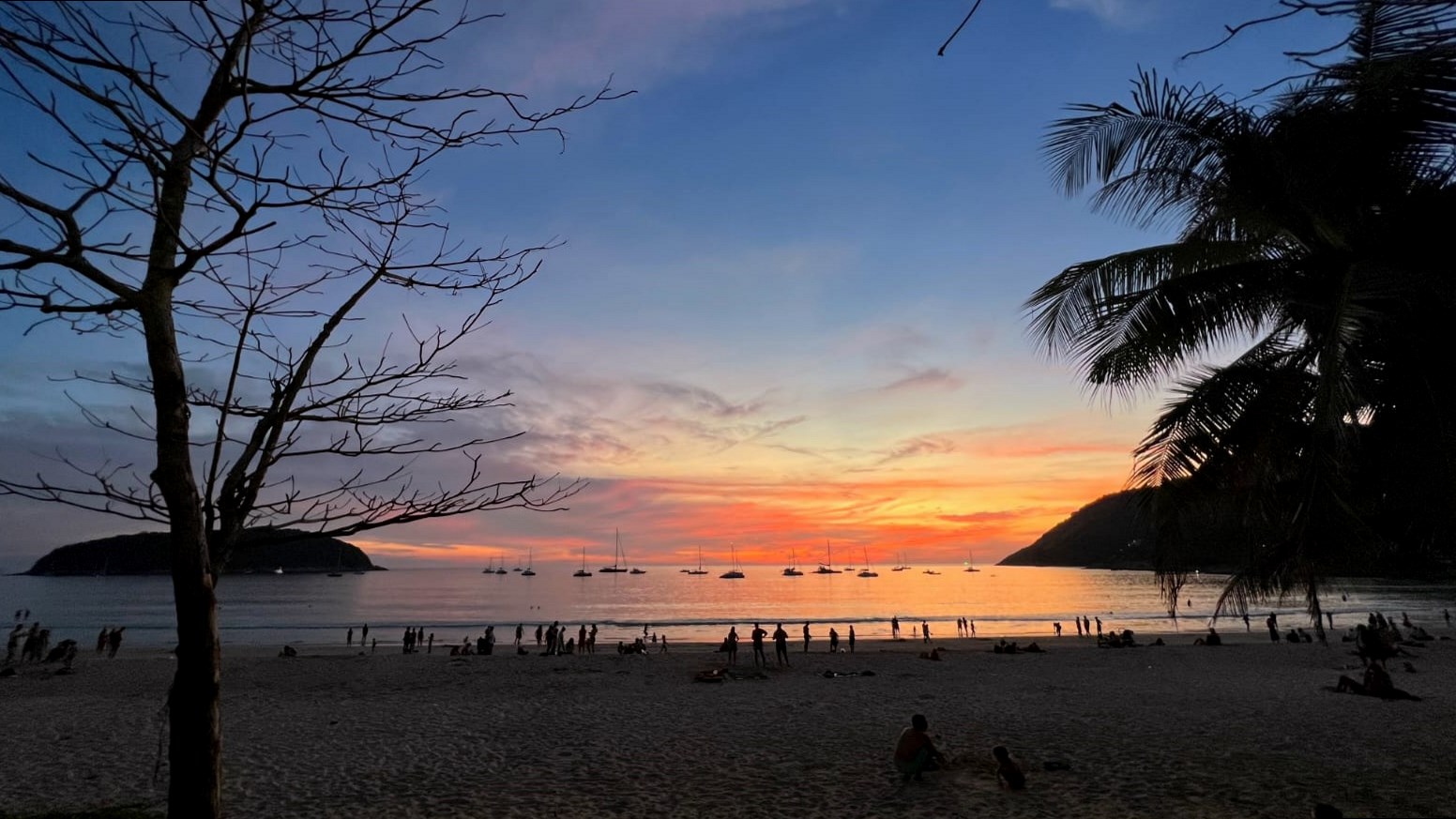
Watching the sunset has become something of a ritual here.
Whether from the beach itself or from one of the nearby elevated viewpoints, this stretch of coast faces in a direction well suited to catching the evening light.
Hidden Coves Worth Knowing About
Two nearby beaches consistently come up as worthwhile detours for anyone staying in the Nai Harn area.
Ao Sane sits just around the coast, a rockier, quieter beach known for good snorkeling conditions thanks to the coral and rock formations close to shore.
Ya Nui Beach has a different appeal entirely. It is well suited to kayaking, fishing, and casual shell collecting, making it a particularly good option for anyone traveling with kids.
Both beaches are reachable by a short tuk-tuk ride from Nai Harn, easy additions to a longer stay in the area.
Nearby Attractions Worth the Trip
Promthep Cape ranks among Phuket's most famous sunset viewpoints.
It is close enough to Nai Harn that it's a natural pairing for anyone spending an evening in the area.
The panoramic views out over the Andaman Sea draw a steady crowd as the sun goes down. It's one of the better-known viewpoints on the entire island.
The White Windmill viewpoint is another elevated vantage point over the bay, a popular stop for photos and a broader look at how Nai Harn's crescent shape sits against the surrounding coastline.
Nai Harn Lake and Wat Nai Harn sit right behind the beach itself, offering a different pace than the sand.
The freshwater lake has walking paths that draw locals for morning and evening exercise, jogging and cycling around its perimeter.
The adjacent Buddhist temple gives visitors an easy sightseeing spot without needing to travel far from the beach.
Rawai Sea Gypsy Market, a short distance away, offers one of the more local experiences in the area.
Fresh seafood brought in daily by local fishermen can be selected and cooked on the spot, a solid option for anyone wanting a meal that feels distinctly different from the standard beachfront restaurant experience.
Wat Chalong and the Big Buddha round out the cultural detours worth considering from this part of the island.
Wat Chalong stands as one of Phuket's most significant temples.
The Big Buddha statue offers sweeping panoramic views across much of southern Phuket, both reasonably close given Nai Harn's southern location.
Day Trips Beyond Nai Harn
Racha Island (Koh Racha Yai) is a popular speedboat day trip from this part of Phuket. It is popular for shallow coral reefs and palm-fringed bays that make for good snorkeling regardless of experience level.
Phang Nga Bay has a different kind of excursion entirely. It is built around limestone formations, hidden lagoons, and cave systems, often paired with kayaking tours that include wildlife spotting along the way.
Facilities and Practical Details
Nai Harn keeps its amenities fairly subtle compared to Phuket's more developed beaches.
Shaded areas under trees give relief from the sun without needing to book anything. A handful of small local shops sell drinks and snacks along the beach.
Sunbed and umbrella rentals are available for anyone wanting a more set-up beach day. Plus, the nearby beachside dining rounds out the options without the area ever feeling overrun with restaurants the way some of Phuket's other beaches do.
Entrance to the beach itself is free, and the overall infrastructure stays intentionally minimal.
Practical Notes
- The calmer November-to-February window is more important here than at some beaches, since the bay's swimming conditions shift noticeably once monsoon season sets in.
- Ao Sane and Ya Nui both make for easy half-day additions without requiring a full day trip, worth factoring into a Nai Harn-based stay.
- Nai Harn Lake's walking paths are used by locals for exercise, not just a scenic backdrop, so early mornings and evenings tend to be the liveliest times to walk them.
- Promthep Cape gets busy specifically around sunset, so arriving a bit early secures a better vantage point before the evening crowd builds.
Final Word
Nai Harn Beach is one of Phuket's more peaceful corners by simply staying undeveloped.
The lack of towering resorts crowding the shoreline and no relentless beach vendor traffic.
Just a relaxed stretch of sand backed by a freshwater lake, a temple, and easy access to some of the island's better sunset viewpoints and hidden coves.
For travelers who've already done Patong or Karon and want to see a quieter, more local-feeling side of Phuket, they should definitely visit Nai Harn.