Lamai Beach: The Complete Guide to Koh Samui's Laid-Back Second Home
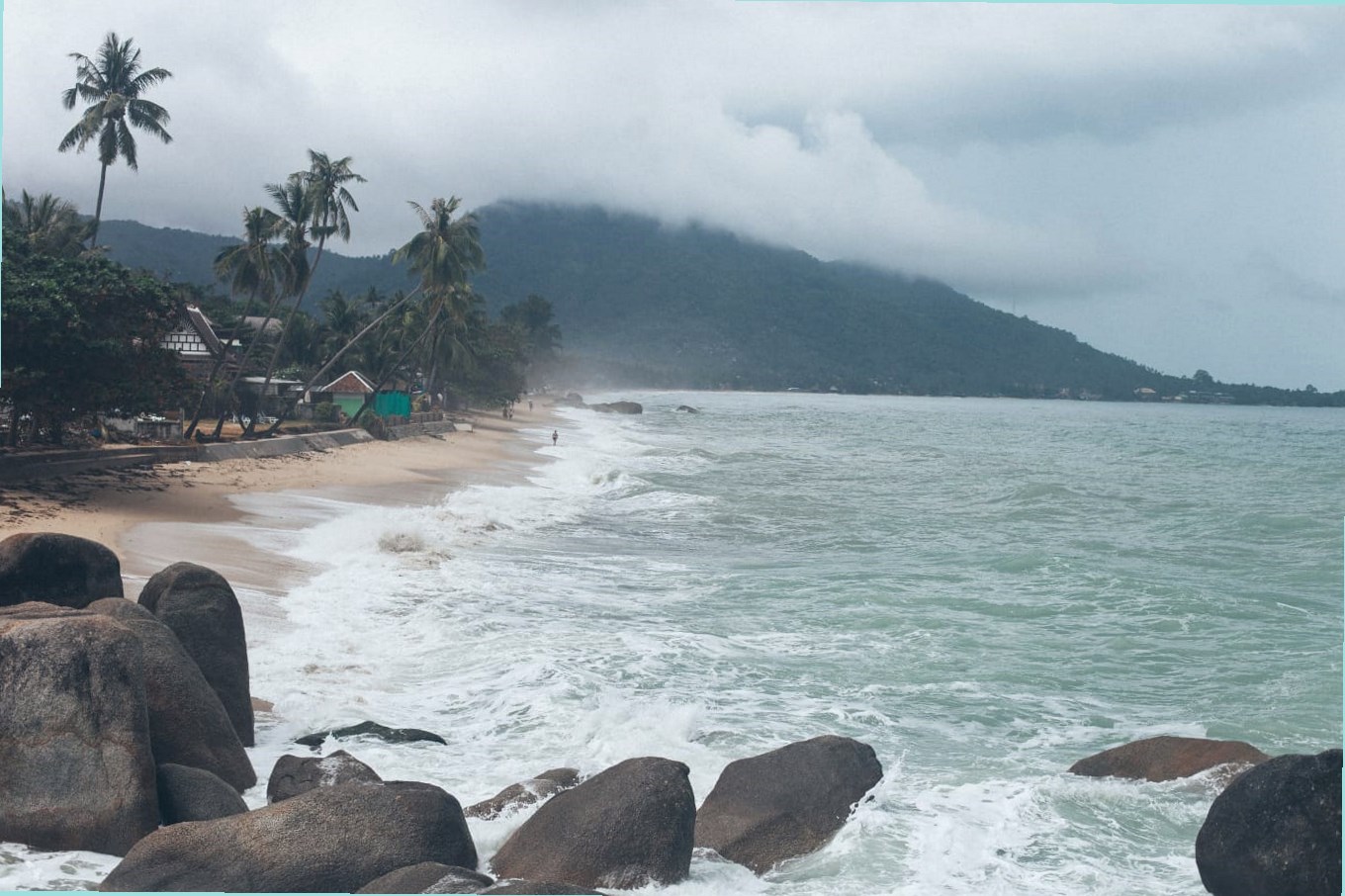
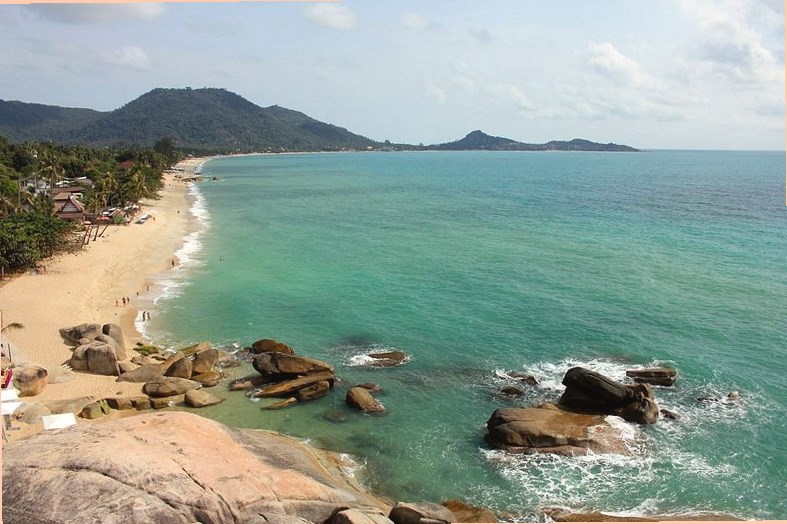
Lamai is situated on the southeastern coast of Koh Samui, playing quiet understudy to the louder, busier Chaweng just up the coast.
That comparison undersells it though.
Lamai has its own long run of golden sand, its own set of oddly-shaped rocks that draw crowds for a very Thai reason.
And a pace that suits travelers who want a beach holiday without constant noise. Here's everything worth knowing before showing up.
A Beach With Real History Behind It
Long before tourism reshaped this stretch of coast, Lamai was a fishing and coconut-farming settlement.
It was part of a pattern of life on Koh Samui that stretches back roughly 1,500 years.
Local families worked the water using small boats and simple tools, and coconut groves became the island's dominant industry for generations.
Long-tail boats, still a common sight along the shore today, are a direct throwback to that earlier era.
Tourism didn't reach Lamai until the late 1970s. When backpackers seeking something more remote than Phuket or Pattaya started finding their way here.
Small guesthouses and bungalow resorts followed. By the 1990s, the island's economy had shifted decisively from fishing toward tourism, bringing larger resorts, better roads, and the infrastructure that defines Lamai today.
What's interesting is how much of that older character survived the transition.
Lamai still runs slower than Chaweng, and the fishing village roots show up in small ways: from the boats still working the water to the markets selling catch alongside souvenirs.
The Layout: North vs. South
Lamai splits cleanly into two moods depending on which end you're standing on.
| Section | Character | Good For |
| North Lamai | Calmer, shallower water | Families, easy swimming |
| South Lamai | Livelier, closer to nightlife and markets | Evening entertainment, street food |
The sand itself runs soft and light yellow along most of the beach, and the water deepens fairly quickly once you get past the shallows in the central section, worth knowing if you're watching kids near the shore.
Getting to Lamai: Every Route Explained
Lamai is on an island. Entry route eventually funnels through Koh Samui's airport or one of the mainland ferry connections.
By air
- Samui International Airport is the fastest route in, with direct flights from Bangkok, Kuala Lumpur, and Singapore
- Lamai sits roughly 20 to 25 minutes from the airport by car, a bit further than Chaweng since it's positioned further south along the coast
By mainland airport and ferry
- Flying into Surat Thani or Nakhon Si Thammarat on the Thai mainland is the standard alternative route
- From either city, transfer to a pier (Donsak from Surat Thani, or the corresponding pier near Nakhon Si Thammarat) for the ferry crossing to Koh Samui
- This route takes longer overall but tends to work out easier on the wallet, and it connects naturally for travelers already moving through mainland Thailand
By overnight bus and ferry from Bangkok
- A well-worn backpacker route, combining an overnight coach with a ferry transfer
- Slower than flying, but a common choice for anyone traveling overland through the region rather than flying point to point
Once you've landed on the island
- Taxis and songthaews (shared open-air trucks) run between the airport and Lamai
- Scooter rental is popular for getting around independently, especially useful for reaching viewpoints, temples, and neighboring beaches at your own pace
- Lamai itself is walkable along its main strip, with the beach road connecting most restaurants, shops, and bars
What to Do Once You're There
Hin Ta and Hin Yai Rocks
These naturally-shaped rock formations sit at the southern edge of the beach.
They've become one of Lamai's most talked-about attractions for a slightly cheeky reason.
Known locally as Grandfather and Grandmother rocks, their shapes have inspired a well-known local legend. Plus, they draw a steady stream of visitors curious to see them in person, all without needing to book anything or pay a cent.
Swimming and water sports
The central and southern parts of the beach offer good swimming once past the shallows.
Jet skis, kayaks, and paddleboards are all readily available from operators along the sand. Snorkeling picks up toward the southern end, where shallow coral reefs sit close enough to shore for a casual look without a boat trip.
Divers looking for something more serious typically head out to Sail Rock, a well-known dive site further offshore.
Muay Thai
Lamai has its own stadium hosting live fights, and several gyms in the area.
These include Punch It Muay Thai Gym, which offers training sessions for visitors wanting to try the sport rather than just watch it.
Fight nights tend to draw a real mix of locals and tourists. Watching foreign fighters occasionally step into the ring against Thai competitors adds an extra layer of interest for first-timers.
Night markets and street food
The Lamai Night Market and the Fresh Food Market both give visitors a chance to eat like a local. With stalls serving grilled meats, noodle dishes, and regional specialties.
A Sunday walking street market adds another option for souvenirs and street food.
Running alongside the everyday market rhythm has been part of Lamai since long before tourism arrived.
Beach bars and evening entertainment
Lava Lounge and similar beachfront venues anchor much of Lamai's nightlife.
Providing relaxed seating right on the sand, occasional live music, and fire shows in the evenings.
The overall energy here stays noticeably calmer than Chaweng's club scene, more suited to a laid-back evening drink than an all-night party.
Temples and cultural sites
Buddhism sits at the center of daily life across Koh Samui, and Lamai's proximity to landmarks like Wat Phra Yai (the Big Buddha Temple) and Wat Plai Laem.
Must-see places if you like cultural sightseeing.
Wat Phra Yai's 12-meter golden Buddha statue draws visitors year-round, and mornings offer the chance to observe alms-giving rituals if timed right. Visitors must dress modestly and stay respectful of the setting.
Local crafts and artisans
Woodcarving, pottery, and silversmithing traditions still survive on the island.
Markets around Lamai offer a chance to buy handmade pieces directly from local artisans rather than mass-produced souvenirs. It's a small way to support the island's older traditions while picking up something with actual craftsmanship behind it.
Best Time to Visit
Lamai follows the same seasonal pattern as the rest of Koh Samui.
The dry season, roughly December through March, brings the calmest seas and most reliable weather, making it the strongest window for swimming and water sports.
The shoulder months carry more rain and rougher water, though the beach stays open and functional year-round, just with less predictable conditions.
Festivals Worth Timing a Trip Around
Two Thai festivals show up on Lamai in a festive way, and either one is worth planning a visit around if the timing works.
- Songkran (April): Thailand's New Year celebration, marked by island-wide water fights and street parties that pull in both locals and tourists.
- Loy Krathong (November): A quieter, more reflective festival honoring water spirits, where participants release small floating baskets made of banana leaves, flowers, and candles onto the water as a symbolic release of negativity.
Practical Notes Worth Knowing
- Lamai runs noticeably quieter than Chaweng, which makes it a better fit for travelers who want beach time without constant noise, but it's not silent or empty either.
- The southern end's proximity to nightlife and markets means noise levels shift depending on where along the beach you're staying.
- Water depth increases relatively fast in the central section, so families with young kids may prefer the shallower northern stretch.
- Scooter rental remains the most flexible way to explore beyond the beach itself, particularly for reaching temples and viewpoints further inland.
Final Word
Lamai doesn't try to compete directly with Chaweng's energy.
It leans into what it already has: a long, genuinely attractive beach, a set of oddly-shaped rocks that have become a real cultural touchpoint.
Night markets that feel authentically local rather than staged for tourists, and a pace that lets visitors actually relax rather than constantly chase the next activity.
Anyone landing on Koh Samui and deciding between the island's two major beach towns should know this much going in: Chaweng is where the island parties, and Lamai is where it sits back and relaxes.