Koh Ngai (Long Beach): The Complete Guide to Trang's Undeveloped Gem
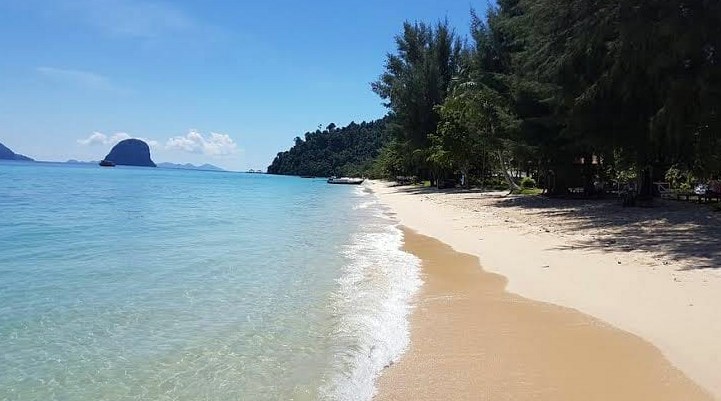
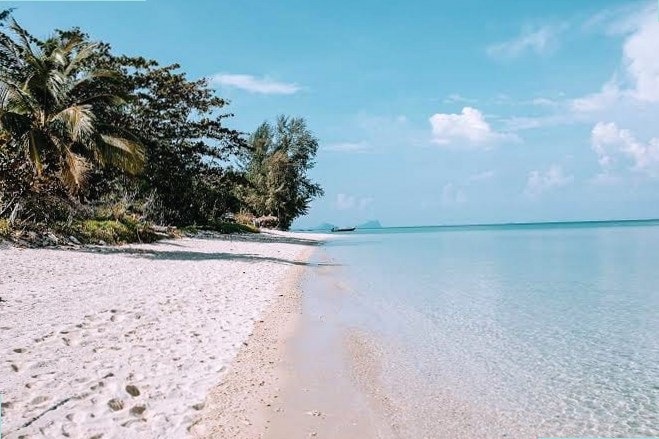
Koh Ngai, sometimes spelled Koh Hai, is a tiny island built around one long, uninterrupted stretch of white sand facing east toward a scattering of limestone karsts.
There's no town here, no real infrastructure beyond a handful of resorts.
This is a place people come to do very little, very well.
Here's everything worth knowing before making the trip.
What Koh Ngai Actually Is
The island measures roughly 4 kilometers by 2, small enough that the main beach, often called Koh Ngai Beach or simply Long Beach, essentially functions as the island's spine.
About half a dozen small resorts and a couple of standalone beach bars line this stretch, and that's largely the extent of what's here.
No roads, no cars, no scooters. Every bit of movement along the beach happens on foot, by longtail boat, or occasionally by kayak.
A few resorts run small snack shops stocking basics, but there are no proper markets, no pharmacies, and critically, no ATM anywhere on the island.
Anyone planning a stay needs to arrive with everything they'll need already sorted.
Getting There: Every Route Broken Down
From the mainland via Trang
- Fly into Trang Airport, the nearest airport serving the region
- From Trang, a combined bus and boat transfer connects to the island, roughly an hour by land followed by another hour by water
- These transfers can be booked privately through Koh Ngai resorts directly, or through regional booking platforms covering the route
From nearby islands by speedboat
- Koh Ngai sits along a well-traveled speedboat route connecting Koh Lanta to Koh Lipe, with regular daily departures stopping at the island along the way
- Several operators run this corridor, including Bundhaya, Satun Pakbara, and Tigerline, each with slightly different schedules and pricing structures
- Short hops from neighboring islands like Koh Mook or Koh Kradan take well under half an hour by speedboat
Arrival logistics once you're close
- Some boats can pull directly up to the beach in front of a guest's chosen resort
- Others transfer passengers to a smaller longtail boat at the main Koh Ngai dock, which then ferries guests along the shore to their specific accommodation
- Which method applies often depends on the tide at the time of arrival, so some flexibility is worth building into arrival plans
What Fills a Day on Koh Ngai
Simply relaxing on the beach is, without exaggeration, the primary activity here. Loungers set in the shade of palm trees, calm turquoise water stretching out toward the limestone karsts offshore, and little else demanding attention.
For travelers who've been moving fast through other parts of Thailand, this kind of enforced stillness tends to land well.
Paddleboarding and kayaking round out the water-based options, with most resorts offering rentals, sometimes included free for guests. Early morning paddles, when the water sits at its calmest and the light hits the karsts just right, come up repeatedly as a highlight among past visitors.
Snorkeling is genuinely excellent here, part of the broader reputation the Trang Islands hold for reef quality.
The coral starts close enough to shore that reaching it only requires a short swim at high tide or an even shorter walk at low tide.
The best patch reportedly sits near the rocks at the southern end of the beach, close to the pier, though solid coral and plenty of small fish show up along most of the shoreline.
Paradise Beach is an equally strong sheltered alternative when wind or waves pick up on the main beach.
A beach bar crawl works surprisingly well given how compact the island is.
Starting from the pier and working north, it's possible to pass through seven or eight different bars and resort restaurants over the course of an afternoon, picking favorites along the way.
Two spots near the pier tend to draw the heaviest day-trip crowds between late morning and early afternoon. So timing a crawl outside that window makes for a noticeably calmer experience.
The hike to Paradise Beach is the island's one real trail, starting behind one of the main beachfront resorts. It's a steep jungle path in places, muddy after rain, with ropes fixed at the steeper sections to help with the climb.
The walk itself runs mostly through tree cover. This means limited views along the way but welcome shade in exchange. About 30 minutes brings hikers to a small, sheltered crescent beach on the other side, worth the sweat for the change of scenery alone.
Anyone not up for the hike can kayak over instead or arrange a private longtail boat.
Continuing past Paradise Beach leads into the Koh Ngai section of Mu Ko Lanta National Park.
It passes a ranger station and two smaller, rougher beaches before reaching a pair of modest viewpoints near the island's high point.
The final stretch up to these viewpoints is steep enough to warrant the same rope-assisted climbing found on the Paradise Beach trail. The whole extension adds roughly 15 minutes beyond Paradise Beach itself.
Massages are available at most resorts, with tables often set up right along the beach, so the treatment comes with an ocean view built in.
Wildlife watching happens whether visitors seek it out or not.
Monitor lizards, some enormous, wander freely around resort grounds, and sightings of sea snakes while snorkeling aren't unheard of either.
It's worth knowing going in that Koh Ngai's jungle backdrop comes with actual jungle residents, not just scenery.
Day Trips Worth Considering
Emerald Cave on Koh Mook stands out as the most talked-about excursion from Koh Ngai.
It involves a swim through an 80-meter cave passage that opens into a hidden lagoon and tiny beach enclosed by cliffs. Timing is important here since the cave floods at high tide and empties out at low tide, so trips need to work around the right window.
Koh Mook itself makes for an easy half-day trip, roughly 15 minutes by boat, offering a taste of actual village life alongside its own beaches and a more built-up feel than Koh Ngai.
Koh Kradan shares a similar profile to Koh Ngai, a single beach lined with a handful of resorts, known for strong snorkeling along a reef sitting a short distance offshore.
Fishing tours can be arranged through virtually any resort on the island, tailored to whatever timeframe and goals a group has in mind.
Diving operates out of a few shops based along the beach, covering local sites as well as full certification courses for beginners. More serious dive sites, including the well-regarded Hin Daeng and Hin Muang, sit a couple of hours further out by boat.
Where to Stay and Eat
Roughly ten resorts operate on Koh Ngai, nearly all lined up along the main beach.
Because competition is thinner here than on more developed islands, prices tend to run a bit higher for comparable quality.
Several properties deliver on views, pools, and comfort. Options range from more basic beachfront camping setups to properties with proper amenities and air conditioning.
Dining follows a similar pattern to the accommodation. Nearly every restaurant on the island operates as part of a resort, and while the overall selection doesn't vary dramatically from one spot to the next, the quality across the board tends to hold up well.
Best Time to Visit
Temperatures stay fairly consistent year-round given the tropical setting.
February through April runs slightly hotter than the rest of the year.
The rainy season stretches from May through October, with November acting as something of a transition month carrying unpredictable conditions.
December through April brings the driest stretch, though a bit more wind can pick up during these months, worth factoring in for anyone planning water-based activities.
Practical Notes Worth Knowing
- No ATM exists anywhere on the island, so arriving with sufficient cash for the full length of a stay is essential.
- Walking remains the primary way to get around beyond the beach itself, supplemented by kayaking or paddleboarding for reaching Paradise Beach.
- The jungle trail to Paradise Beach and the viewpoints beyond require decent footwear given the steep, occasionally muddy terrain.
- Monitor lizards and other wildlife are a normal part of the resort experience here, not a rare sighting.
Final Word
Koh Ngai is one long, beautiful beach, strong snorkeling close to shore, a single worthwhile hike, and just enough resort infrastructure to stay comfortable without ever feeling built up.
Anyone arriving expecting nightlife, restaurant variety, or a handful of different beaches to explore will find Koh Ngai limited.
Anyone arriving wanting a shaded lounger, clear water, and little else demanding attention will understand almost immediately why this small island keeps drawing people back.